Keto Alcohol Guide: What to Drink, What to Skip, and the Real Trade-Offs
An honest, practical breakdown of which alcoholic drinks fit a low-carb lifestyle, which ones will knock you out of ketosis, and how alcohol actually affects fat burning, hunger, and hangovers on keto.
Medically reviewed by Dr. Julian Reyes, RD · PhD Nutritional Sciences, Registered Dietitian
Every article on Keto Kitchen Hub is fact-checked against peer-reviewed research and reviewed by a registered dietitian before publication. This content is for educational purposes and is not medical advice.
Alcohol and ketogenic diets have an uneasy relationship. On one hand, many low-carb spirits genuinely contain zero or near-zero carbohydrates, which makes them technically compatible with a keto macro target. On the other hand, alcohol changes how your body processes fat and carbohydrates in ways that go beyond a simple carb count, and it can quietly undermine your goals even when the drink itself is carb-free. This guide breaks down exactly what happens in your body when you drink on keto, which drinks are genuinely reasonable choices, which ones will pull you out of ketosis fast, and how to enjoy a social drink without wrecking weeks of progress.
How Your Body Processes Alcohol Differently on Keto
When you drink alcohol, your liver treats it as a priority fuel source and shifts its metabolic focus almost entirely toward breaking it down before it will do much of anything else, including producing ketones or processing fat for energy. This means that whenever you drink, your body temporarily pauses fat-burning and ketone production to deal with the alcohol first. This is true whether you are on keto or not, but it matters more on keto because ketone production and fat oxidation are the entire point of the diet. A single drink will not undo weeks of progress, but it does mean that the hours you spend metabolizing alcohol are hours where fat burning is essentially on hold.
There is also a well-documented and often surprising effect where people on ketogenic diets report feeling the effects of alcohol more quickly and more intensely than they did before starting keto. This is sometimes referred to informally as the 'keto lightweight' effect. Several factors likely contribute, including lower glycogen stores that would otherwise help buffer blood sugar and mitigate some effects of alcohol, changes in body composition and total body water, and the general metabolic adaptations of ketosis. Whatever the exact mechanism, the practical takeaway is the same: go slower and expect less tolerance than you had before.
The Best Low-Carb Alcohol Choices
Distilled Spirits
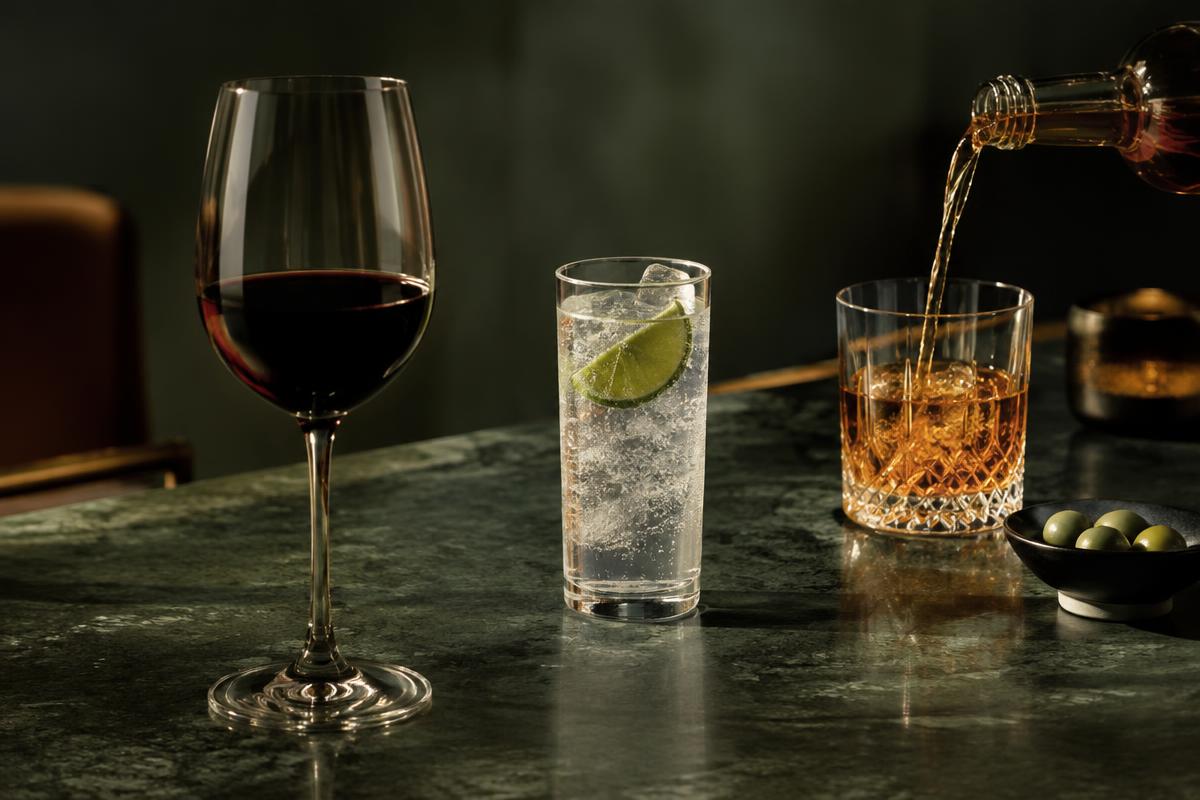
Plain distilled spirits are the safest bet for staying in ketosis, because distillation removes essentially all sugar and carbohydrate content. This includes vodka, gin, tequila, rum, whiskey, bourbon, and scotch, all of which contain zero grams of carbohydrate per standard serving when consumed straight, on the rocks, or with a zero-carb mixer such as soda water or a sugar-free tonic.
- Vodka: 0g carbs per 1.5 oz shot; mix with soda water and a squeeze of lime for a refreshing, carb-free cocktail.
- Gin: 0g carbs; pairs well with soda water and fresh herbs like rosemary or mint for a low-carb take on a gin and tonic.
- Tequila: 0g carbs; a classic choice for a skinny margarita made with fresh lime juice and a splash of sugar-free sweetener instead of triple sec and simple syrup.
- Whiskey and bourbon: 0g carbs; best enjoyed neat, on the rocks, or with soda water rather than cola or sweetened mixers.
- Rum: 0g carbs in its plain form, though it is very often paired with high-sugar mixers, so the mixer is where the real carb risk lies.
Dry Wines
Dry red and dry white wines are reasonable choices on keto, though they are not carb-free like spirits. A standard 5-ounce glass of dry red wine, such as pinot noir, cabernet sauvignon, or merlot, typically contains around 3 to 4 grams of carbohydrate, while dry whites like sauvignon blanc or pinot grigio are similar or slightly lower. Sweet wines, dessert wines, and most rosés carry considerably more sugar and should be approached with caution or avoided. Champagne and other dry sparkling wines labeled brut or extra brut are also relatively low in carbs, generally around 1 to 2 grams per glass, making them a workable option for celebrations.
Light Beer, With Caveats
Beer is generally the least keto-friendly alcoholic beverage because it is made from grain and contains residual carbohydrate from the brewing process, sometimes referred to informally as a 'liquid bread' due to its carb content. That said, not all beers are created equal. Light beers and some low-carb specialty beers can contain as little as 2 to 5 grams of carbohydrate per 12-ounce serving, compared to 10 to 20 grams or more in regular beers, and considerably more in craft or high-alcohol styles. If you want an occasional beer on keto, look specifically for beers marketed as low-carb or light, check the label carefully, and treat regular and craft beers as an occasional indulgence outside strict keto rather than a regular choice.
Drinks to Minimize or Skip Entirely
- Sweet cocktails such as margaritas made with triple sec and sweet mix, daiquiris, piña coladas, and mojitos made with regular simple syrup, which can contain 20 to 40 grams of carbohydrate or more per serving.
- Sweet wines and dessert wines, including moscato, port, and sauternes, which can contain significantly more sugar than dry wines.
- Regular beer and craft beer, especially high-alcohol or fruit-flavored styles, which tend to be higher in both carbs and calories.
- Flavored malt beverages and hard seltzers with added sugar, though some unsweetened hard seltzers are genuinely low-carb and worth checking individually.
- Liqueurs such as amaretto, Baileys, and coffee liqueurs, which are typically loaded with sugar and can contain 10 to 20 grams of carbohydrate per small serving.
- Cider, which is made from apples and tends to be surprisingly high in natural sugar, often 15 to 25 grams of carbohydrate per serving.
Building a Keto-Friendly Cocktail
The easiest way to keep a cocktail low-carb is to build it around a zero-carb spirit and a zero-carb mixer, then add flavor through fresh citrus, herbs, and a keto-friendly sweetener if needed rather than through juice, syrup, or soda.
- Base spirit: choose vodka, gin, tequila, whiskey, or rum in its plain form.
- Mixer: soda water, sparkling mineral water, or a sugar-free tonic water rather than regular tonic, juice, or soda.
- Flavor: fresh lime or lemon juice, muddled berries in small amounts, fresh herbs like mint, basil, or rosemary, or a few dashes of bitters.
- Sweetener, if needed: a keto-friendly sweetener such as monk fruit or allulose syrup rather than simple syrup or agave.
- Garnish: citrus twists, fresh herb sprigs, or a few berries for visual appeal without significant added carbs.
Why Alcohol Can Stall Weight Loss Even When It Is Carb-Free
Even a technically zero-carb drink like vodka soda can slow progress if you are drinking regularly, and it is worth understanding the mechanisms so you can make an informed choice rather than being surprised by a stalled scale. First, as mentioned earlier, your body prioritizes metabolizing alcohol over burning fat, meaning that regular drinking creates regular windows where fat oxidation is essentially paused. Second, alcohol tends to lower inhibition around food choices, making it much easier to reach for something off-plan later in the evening or the next day. Third, many people underestimate how many calories are in their drinks, especially when having more than one, and those calories add up even if the carb count stays low. Finally, alcohol can disrupt sleep quality, and poor sleep is independently linked to increased hunger hormones and reduced willpower around food the following day, creating a compounding effect.
Hangovers on Keto: Why They Can Feel Worse
Many people report that hangovers feel more intense on keto than they did before starting the diet, and there are a few plausible explanations. Lower glycogen and fluid reserves mean less buffer against alcohol's dehydrating effects. Electrolyte status, which is already something keto dieters need to actively manage, can be further depleted by alcohol's diuretic effect, worsening headaches, fatigue, and the general malaise of a hangover. If you do choose to drink, treating it similarly to how you would manage keto flu, meaning proactive hydration and electrolyte replacement before, during, and after drinking, can meaningfully reduce next-day symptoms.
- Drink a full glass of water with electrolytes before you start drinking alcohol.
- Alternate alcoholic drinks with a glass of plain or sparkling water throughout the evening.
- Avoid drinking on an empty stomach; have a protein and fat-containing meal beforehand.
- Replenish electrolytes before bed and again the following morning.
- Avoid strenuous exercise the morning after drinking, since you are already managing extra dehydration and stress on the body.
How Alcohol Affects Ketone Levels and Testing
If you test your ketone levels, whether through blood, breath, or urine strips, it is useful to know that alcohol can temporarily suppress measured ketone levels even though you have not necessarily eaten any carbohydrates. This is because your liver is busy processing the alcohol itself, specifically converting it into a byproduct called acetaldehyde and then acetate, which competes for some of the same metabolic pathways involved in ketone production. Some people notice their ketone readings drop for a day or two after drinking, even on a night when they stuck strictly to zero-carb drinks. This is generally not something to be alarmed about and typically resolves within a day or two of returning to normal eating and hydration, but it explains why a fasting or ketone reading the morning after a night of drinking may look less favorable than expected.
Social Situations and Practical Strategies
Navigating social occasions is often the hardest part of maintaining keto and moderate alcohol use at the same time, particularly at parties, weddings, or business events where drink options are limited and social pressure to drink more can be high.
- Decide your drink and your limit before you arrive, rather than deciding in the moment when social pressure is highest.
- Order a spirit and soda water or a dry wine by name so bartenders do not default to a sugary well mixer.
- Hold a drink with soda water and lime even between alcoholic drinks so you always have something in hand without adding carbs or alcohol.
- Eat a protein and fat-rich meal before the event so you are not drinking on an empty stomach and more susceptible to both intoxication and cravings.
- Remember that saying no to a refill or a shot is a complete sentence; you do not owe anyone an explanation for pacing yourself.
Does Alcohol Kick You Out of Ketosis?
This is one of the most common questions about keto and drinking, and the honest answer is nuanced. A carb-free spirit consumed on its own generally will not add enough carbohydrate to push you over your daily limit, so from a pure carb-counting perspective, it will not kick you out of ketosis. However, as discussed, alcohol metabolism does pause fat burning and ketone production while your liver processes it, which can look like a temporary dip in ketosis on a ketone meter, even without any carbs involved. This effect is temporary and reverses once the alcohol is fully metabolized, typically within several hours depending on how much was consumed. The real risk to ketosis from alcohol usually comes indirectly, through sugary mixers, disinhibited food choices, or beer's inherent carbohydrate content, rather than through the alcohol itself in a clean, carb-free drink.
Calories Still Count, Even on Keto
It is easy to focus exclusively on carbohydrate content and forget that alcohol itself contains calories, roughly 7 per gram, which is nearly as calorie-dense as fat. If your goal on keto includes weight loss rather than just symptom management or another health goal, regular drinking, even of zero-carb spirits, can slow progress simply through added calories, independent of any carb content. A few strong cocktails several nights a week can easily add several hundred extra calories to your day, enough to stall weight loss even while you remain in a state of nutritional ketosis. Being honest with yourself about how often and how much you are drinking, and tracking it the same way you would track food, is a useful habit if progress has stalled and you cannot otherwise explain why.
A Simple Decision Framework
When deciding what to drink on keto, a simple mental checklist can help you make quick, confident choices in the moment rather than second-guessing every option on a drink menu.
- Start with a plain distilled spirit or a dry wine as your default choice.
- Pair spirits with a zero-carb mixer like soda water rather than juice, regular tonic, or soda.
- Treat beer and sweet cocktails as occasional exceptions rather than regular choices.
- Hydrate and take electrolytes before and after drinking, not just when you already feel unwell.
- Count the calories from alcohol toward your daily intake if weight loss is a goal, not just the carbohydrate count.
- Expect lower tolerance than before keto and pace yourself accordingly.
Alcohol and Specific Keto Goals
Therapeutic or Medical Ketogenic Diets
People following a strict therapeutic ketogenic diet under medical supervision, such as for epilepsy management or certain metabolic conditions, are generally advised to avoid alcohol altogether or only reintroduce it with explicit guidance from their treating clinician. In these contexts, even small metabolic disruptions to ketone production carry more significance than they would for someone using keto purely for general weight management, since maintaining a very consistent level of ketosis is often central to the therapeutic effect being pursued.
Keto for Blood Sugar Management
For people using keto to help manage type 2 diabetes or prediabetes, alcohol introduces an additional consideration: it can cause delayed hypoglycemia, particularly in combination with certain diabetes medications, because the liver's prioritization of alcohol metabolism can interfere with its normal glucose-regulating functions for several hours afterward. Anyone in this situation should discuss alcohol consumption specifically with their healthcare provider rather than relying on general keto guidance alone.
Keto for General Weight Management
For the majority of people using keto primarily for weight loss or general health, occasional alcohol in moderation, chosen from the lower-carb options outlined earlier, is unlikely to derail progress if calories and frequency are kept in check. The main risks in this group are the indirect ones discussed throughout this guide: added calories, disinhibited eating, and disrupted sleep, rather than the alcohol directly preventing ketosis.
Reading Alcohol Labels and Menus Accurately
Carbohydrate information on alcoholic beverages is inconsistently reported compared to packaged food, and menus at bars and restaurants rarely disclose it at all, which makes a few practical label-reading habits useful.
- Check for 'proof' or alcohol by volume rather than assuming stronger drinks always have more carbs; carb content and alcohol content are not directly related.
- Be skeptical of 'skinny' or 'low-calorie' cocktail menu items unless the specific ingredients are listed, since the term is not regulated and can still include juice or syrup.
- For canned hard seltzers and flavored malt beverages, always check the nutrition label directly rather than relying on marketing claims of being 'clean' or 'natural.'
- When in doubt at a bar, ask for the specific brand and type of spirit and build your own simple drink rather than ordering a pre-made specialty cocktail with unknown ingredients.
Non-Alcoholic and Low-Alcohol Alternatives
For nights when you want the ritual of a drink without the metabolic trade-offs, several non-alcoholic and low-alcohol options can fit comfortably into a keto lifestyle.
- Sparkling water with fresh citrus and bitters, which mimics the ritual of a cocktail with effectively zero carbs and no alcohol.
- Non-alcoholic spirits, an increasingly available category that can be mixed the same way as their alcoholic counterparts, though ingredient lists should still be checked for added sugar.
- Kombucha in small servings, checking labels carefully since carb content varies widely by brand and flavor.
- Herbal 'mocktail' blends built from soda water, muddled herbs, and a keto-friendly sweetener for a festive, alcohol-free option at social events.
Building Your Own Personal Alcohol Policy
Because alcohol tolerance, goals, and social contexts vary so much between individuals, it is worth writing down a short, personal policy rather than deciding case by case under social pressure. A written policy removes decision fatigue in the moment and makes it easier to stay consistent.
- Define how many drinking occasions per week or month fit your current goals, whether that is zero, one, or a handful.
- Pre-select your default drink order so you are not choosing under pressure at a bar or party.
- Decide in advance how you will handle hydration and electrolytes around drinking occasions.
- Set a personal drink limit per occasion based on your own tolerance and goals, not on what others around you are drinking.
- Revisit the policy every few months as your goals, tolerance, or health status change.
Putting It All Into Practice
Alcohol and keto can coexist reasonably well if you go in with realistic expectations and a clear strategy. Distilled spirits and dry wines, consumed in moderation with low-carb mixers, are the most practical choices for staying close to your carb targets. Beer, sweet cocktails, and dessert wines carry the highest risk of derailing ketosis and are best treated as occasional exceptions rather than regular habits. Beyond the carb count, remember that alcohol pauses fat burning, can worsen hangovers due to keto-related fluid and electrolyte shifts, and still contributes real calories to your daily total. If you are navigating a special event, pairing this guide with our dining out on keto article and planning your choices ahead of time will make it far easier to enjoy yourself without undoing your progress.
Frequently asked questions
What alcohol has the least carbs?
Plain distilled spirits such as vodka, gin, tequila, whiskey, rum, and scotch have essentially zero carbohydrates per serving when consumed straight, on the rocks, or with a zero-carb mixer like soda water.
Can you drink wine on keto?
Yes, dry red and dry white wines are reasonable choices, typically containing around 3 to 4 grams of carbohydrate per 5-ounce glass. Sweet wines and dessert wines contain significantly more sugar and are best avoided or limited.
Does alcohol stop ketosis?
A carb-free spirit will not add enough carbohydrate to end ketosis, but your liver will prioritize metabolizing the alcohol over producing ketones while it processes it, which can temporarily lower measured ketone levels for a few hours to a day.
Why do I get drunk faster on keto?
Many people on keto report feeling the effects of alcohol more quickly, likely due to lower glycogen and fluid reserves and metabolic changes from ketosis. It is wise to drink more slowly and expect lower tolerance than before starting keto.
Is beer allowed on a ketogenic diet?
Regular and craft beers are generally too high in carbohydrate for strict keto, since they are brewed from grain. Light beers or beers specifically labeled low-carb can be an occasional option if you check the label and account for the carbs.
Can I drink alcohol while on a strict therapeutic keto diet?
Generally no, or only with explicit guidance from the supervising clinician. Therapeutic ketogenic diets used for conditions like epilepsy rely on maintaining a very consistent level of ketosis, and alcohol's effect on liver metabolism can interfere with that consistency.
Are non-alcoholic spirits keto-friendly?
Many are low in carbohydrate and can be a reasonable option, but ingredient lists vary by brand, and some contain added sugar or fruit concentrates to build flavor without alcohol, so checking the label is still worthwhile before assuming a product fits your carb target.
References
- National Institute on Alcohol Abuse and Alcoholism – Alcohol's Effects on the Body
- Harvard T.H. Chan School of Public Health – Nutrition Source: Alcohol
- Mayo Clinic – Alcohol Use: Weighing Risks and Benefits
- U.S. Department of Agriculture – FoodData Central
- National Institutes of Health – National Center for Biotechnology Information: Ketogenic Diet Overview
Marcus Cole
Fitness & Performance Contributor · NSCA-CSCS, 12 years coaching
Marcus writes on training, recovery, and performance nutrition for low-carb athletes.
More from Marcus →