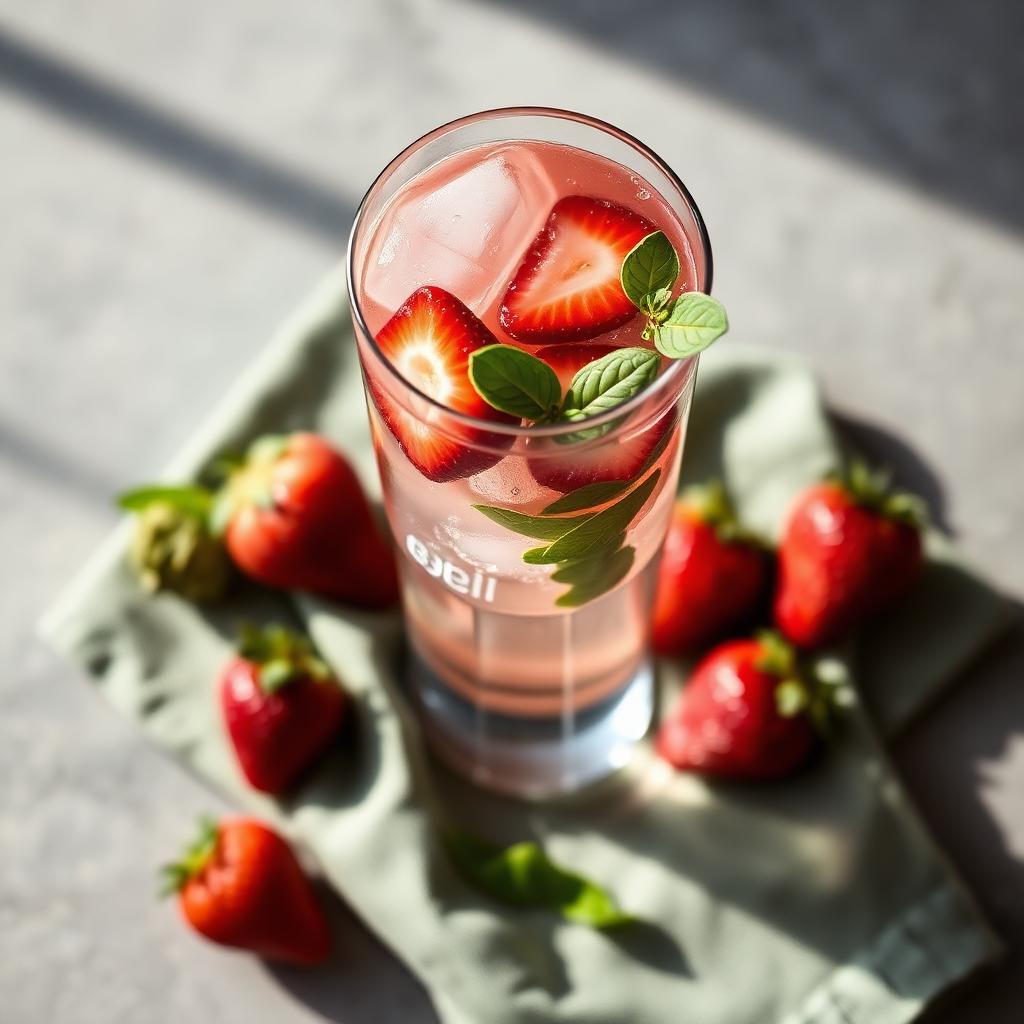
Strawberry Basil Keto Electrolyte Spritzer
A crisp, garden-fresh keto drink built on sparkling mineral water, muddled strawberries, and torn basil — sweetened with a whisper of allulose and dosed with a pinch of pink salt and potassium citrate to replace the electrolytes low-carb eaters lose most. Two grams of net carbs per tall glass, zero sugar, and the flavor of an aperol spritz without a drop of alcohol.
By Keto Kitchen Hub Editorial · Published July 23, 2026
- Prep
- 5 min
- Cook
- 0 min
- Total
- 5 min
- Servings
- 2
- Net Carbs
- 2 g
Instructions
- 1
Add the halved strawberries, basil leaves, allulose, lemon juice, salt, and potassium citrate to the bottom of a cocktail shaker or wide glass measuring jar.
- 2
Muddle gently for 20–30 seconds using the flat end of a wooden spoon or a proper muddler. The goal is to bruise the basil to release oils and crush the strawberries into a rough pulp — not to pulverize them into liquid, which turns the drink cloudy and bitter.
- 3
Divide the muddled mixture evenly between two tall highball glasses.
- 4
Fill each glass with large ice cubes. Large cubes melt slower, so the drink stays crisp instead of watery.
- 5
Top slowly with sparkling water, pouring down the inside of the glass to preserve carbonation. Do not stir hard — a single gentle lift with a bar spoon is enough to marble the flavor without knocking out the bubbles.
- 6
Garnish with a fresh basil leaf and a strawberry slice on the rim. Serve immediately while the fizz is at its peak.
Nutrition (per serving)
- Calories
- 22
- Fat
- 0 g
- Protein
- 0 g
- Total Carbs
- 5 g
- Fiber
- 1 g
- Net Carbs
- 2 g
Values are estimates calculated from typical ingredient databases. See our disclaimer.
Storage
Best consumed within 10 minutes of assembly — carbonation is fleeting and basil oxidizes quickly. If you want to prep ahead, muddle the strawberry-basil-lemon base and refrigerate it in a sealed jar for up to 24 hours; top with fresh sparkling water and ice only at serving time.
Expert tips
- Allulose is the closest keto sweetener to sugar in mouthfeel and does not leave the cooling aftertaste of erythritol. Use half as much liquid monk fruit if that's what you have — start with 10 drops and taste before adding more.
- Pink salt plus potassium citrate is not optional if you're within your first eight weeks of keto. Sodium and potassium losses are the primary cause of 'keto flu' fatigue, headache, and leg cramps.
- Freeze whole strawberries and use them in place of ice for a slow-melting, no-dilution version that turns the drink a deeper pink as it sits.
- For an alcoholic adult version, swap 1 oz of the sparkling water for chilled Casamigos Blanco tequila or a dry vodka. Macros barely change.
- Sparkling mineral water beats plain seltzer here because the naturally dissolved magnesium and calcium round out the electrolyte profile and add a subtle savory backbone.
Frequently asked questions
+Are strawberries really keto-friendly?
Yes, in the small portions used here. A whole cup of sliced strawberries contains about 8 g net carbs, but this recipe uses just six berries split between two glasses — under 3 g of berries per serving. Strawberries are also one of the highest-fiber, lowest-sugar berries, which is why they routinely make keto-approved fruit lists.
+Do I really need the potassium citrate?
It's optional but strongly recommended for anyone who has been in ketosis less than two months or who exercises regularly. Ketogenic diets increase urinary excretion of sodium, potassium, and magnesium; supplementing potassium (about 200 mg per 1/4 tsp of potassium citrate) prevents the muscle cramps and afternoon fatigue that plague new keto eaters. NOW Foods and Bulk Supplements sell food-grade potassium citrate powder for a few cents per serving.
+Will this break my fast?
This drink contains 22 calories and 2 g net carbs per glass, so it will technically break a strict water fast. It will not, however, knock most people out of ketosis, and it can actually make electrolyte-driven fasting more sustainable. If you're doing a metabolic-therapy fast for autophagy or insulin sensitivity, save this for your eating window.
+Can I make a pitcher for guests?
Yes. Multiply the muddled base by the number of servings and store it covered in the fridge for up to 24 hours. Set out a pitcher of ice and chilled sparkling water and let guests build their own — this preserves fizz and stops the base from turning muddy in a shared pitcher.
+Is allulose safe every day?
Yes, based on current evidence. Allulose is FDA-designated GRAS (Generally Recognized as Safe), does not raise blood glucose or insulin, and unlike sugar alcohols does not cause laxative effects at typical doses. Some people experience mild GI symptoms above 40 g per day; this recipe uses less than 4 g per serving.
+What if I don't have basil?
Fresh mint is the best substitution — use the same quantity. Muddled cucumber ribbons (four thin slices) or a sprig of rosemary also work beautifully. Avoid dried herbs; they turn gritty and taste medicinal in cold drinks.
Everything you need to know
In-depth guide · reviewed by our editorial team · approx. 15 min read
Why a Keto Drink Is the Most Overlooked Tool in a Low-Carb Kitchen
Most people entering a ketogenic diet obsess over food and neglect fluids. That's a mistake with measurable consequences. Within the first 72 hours of restricting carbohydrates below 50 g per day, the body burns through its glycogen stores — and each gram of glycogen is bound to roughly 3 g of water. A 180-pound adult can shed 4–6 pounds of pure water in a week, and with it, the electrolytes dissolved in that water: sodium, potassium, magnesium, chloride. What's left is the notorious 'keto flu' — the headache, fatigue, muscle cramps, and brain fog that make so many new low-carb eaters give up in the second week.
The fix isn't a supplement pill. It's a habit: drinking flavored, lightly sweetened, electrolyte-dosed water throughout the day so replacement becomes automatic. That's exactly what this Strawberry Basil Electrolyte Spritzer is designed to do. It tastes like a garden-party cocktail, contains 2 g net carbs and 22 calories per glass, and delivers roughly 300 mg of sodium plus 200 mg of potassium in every serving — the same profile as a commercial keto electrolyte drink at a fraction of the cost.
This is also the drink most people wish existed when they realize how boring keto beverages usually are. Diet soda is a chemical bath. Bulletproof coffee is fantastic in the morning and inappropriate at 6 p.m. Sparkling water alone gets old after week three. A low-carb spritzer that pulls double duty as an electrolyte delivery vehicle is the missing piece of a sustainable low-carb kitchen.
The Macros: How Two Grams of Carbs Buys You a Real Drink
Per tall glass, this spritzer delivers 22 calories, 0 g fat, 0 g protein, 5 g total carbohydrate, 1 g fiber, and 2 g net carbohydrate. On a strict 20 g daily net-carb protocol, that's 10% of your budget — small enough to have two or three glasses across the day without compromise. Compare that to a single 12-oz can of regular Coke: 140 calories, 39 g sugar, zero nutritional value. Compare it to a light beer: 100 calories, 6 g carbs, alcohol that suppresses ketone production for 12+ hours. Even a store-bought seltzer with 'natural strawberry flavor' typically contains 0 g of actual berry and none of the vitamin C, potassium, or polyphenols this recipe provides.
The 2 g of net carbs come almost entirely from three halved strawberries per serving. Strawberries are one of the lowest-glycemic fruits on earth — a full cup rings in at 8 g net carbs and a glycemic load of just 3.6, roughly one-fifth that of a banana. They are also unusually rich in vitamin C (100% of daily needs per cup), manganese, folate, and anthocyanin polyphenols, the same compounds that give red wine its heart-health reputation.
The allulose contributes 0 g of digestible carbohydrate. Allulose is a 'rare sugar' that occurs naturally in figs, raisins, and jackfruit. The body absorbs it in the small intestine but excretes over 90% of it unchanged in urine within 24 hours, which is why the FDA allows it to be subtracted from the total carbohydrate count on nutrition labels. Unlike erythritol, allulose does not cause GI distress at typical serving sizes, and unlike sucralose or aspartame, it browns and behaves like real sugar in cooking.
Ingredient Deep-Dive: Why Each One Earns Its Place
Strawberries were chosen over blueberries, raspberries, or blackberries for two reasons: they produce the most vibrant color per gram of fruit, and they're the lowest-glycemic option among common berries. A single hulled strawberry weighs about 12 g and contributes roughly 0.5 g of net carbs — precise enough to build a repeatable macro without weighing every berry. Buy fresh, in season if you can (peak season is April through July in most of the U.S.), and choose berries that are fully red from tip to shoulder. White-shouldered berries are underripe, sour, and lower in the polyphenols that give this drink its color.
Basil is the herbaceous secret weapon. Sweet basil contains linalool and eugenol — aromatic compounds also found in cloves and gin botanicals — that give the drink a subtle savory backbone impossible to fake with an extract. Torn or muddled fresh basil releases these oils; dried basil does not. Genovese basil (the classic Italian variety) is what we default to, but Thai basil, lemon basil, and even purple opal basil all work with slightly different flavor twists. Rub a leaf between your fingers before adding it — if you can't smell anise-clove-lemon within a second, the basil is too old.
Allulose deserves its own paragraph because it's the single ingredient that separates a great keto drink from a mediocre one. Erythritol — the sweetener that dominates keto product shelves — has a distinct cooling sensation on the tongue and a hollow aftertaste in cold beverages. Allulose is 70% as sweet as sugar, contributes body and mouthfeel that stevia and monk fruit cannot, and dissolves fully in cold water within seconds. It is not a rare specialty product anymore — Wholesome, Splenda, and RxSugar all sell it in mainstream grocery stores. If you can find only granulated erythritol, use 2 teaspoons and expect a slight cooling note.
Lemon juice contributes citric acid, which brightens the strawberry flavor by lowering the pH and popping the color anthocyanins into their most vibrant red form. It also acts as a mild preservative, keeping the muddled base from browning if you're prepping ahead. One tablespoon is enough — more, and the drink tips from 'refreshing' into 'lemonade,' and the strawberry gets buried.
Pink Himalayan salt provides sodium chloride plus trace minerals that regular table salt lacks. 1/8 tsp per serving supplies roughly 290 mg of sodium — the amount most keto authorities (Volek, Phinney, Westman) recommend adding to at least one meal or drink per day during the first eight weeks of ketosis. If you prefer, unrefined sea salt works identically; the color difference is cosmetic.
Potassium citrate is the ingredient that turns this from a nice drink into a functional one. Potassium is the electrolyte most low-carb eaters underconsume, because the highest-potassium foods (bananas, potatoes, orange juice) are off the menu. 1/4 tsp of food-grade potassium citrate powder delivers roughly 200 mg of potassium — meaningful, but well under any toxicity threshold. It's the same active ingredient in the LMNT and Ultima Replenisher electrolyte packets that sell for $1.50 apiece; bulk potassium citrate costs about 4 cents per serving.
Sparkling mineral water beats plain seltzer for two reasons. First, naturally sparkling waters (San Pellegrino, Topo Chico, Gerolsteiner) contain dissolved calcium, magnesium, and bicarbonate that add a subtle savory roundness impossible to replicate in a carbonated tap-water product. Second, the finer, longer-lasting bubbles of a naturally sparkling water make the drink 'feel' more like a proper cocktail — an underrated psychological factor when you're eight weeks into cutting alcohol and craving something ceremonial.
The Technique: Muddling, Layering, and Preserving the Fizz
Muddling looks straightforward and is the step most often botched. Beginners over-muddle — grinding the strawberries into a thin, cloudy pulp and shredding the basil into bruised black flecks that turn the drink bitter within minutes. The correct pressure is closer to gentle bruising than pulverization. Aim for 20–30 seconds of firm but controlled downward twists, just until the strawberries release visible juice and the basil bruises to a slightly darker green. If you can still see identifiable berry chunks, you've done it right.
Layering matters more in a spritzer than in almost any other drink. Add the muddled base to the glass first, then large ice cubes, then the sparkling water last. Pour the sparkling water slowly down the inside wall of the glass rather than straight into the middle — this preserves 80–90% of the carbonation. A blast of water poured into the center knocks the CO2 out of solution and leaves you with a flat drink in under 60 seconds.
Ice is not a minor detail. Small cubes and crushed ice have far more surface area per unit of volume, so they melt within two or three minutes and water the drink down. Large 2-inch cubes — the kind you get from a silicone whiskey mold — melt slowly enough to keep the drink cold for 15+ minutes without dilution. If your freezer only produces small cubes, freeze whole hulled strawberries and use them alongside the ice; they double as a slow-melting cooler and a garnish.
The final stir is one gentle lift with a long bar spoon, not the aggressive swizzle most home bartenders default to. You're marbling the muddled base up through the sparkling water, not homogenizing it. A drink with visible strawberry-basil streaks looks better and tastes more layered than a uniformly pink one.
Electrolytes and Keto: The Science of Why This Drink Exists
The 'keto flu' is not a real flu — it's an electrolyte deficiency masquerading as one. When insulin levels drop (as they do on a well-formulated ketogenic diet), the kidneys stop reabsorbing sodium as efficiently. Sodium losses can hit 3–5 g per day in the first two weeks of keto adaptation, according to research summarized in Volek and Phinney's 'The Art and Science of Low Carbohydrate Living' (2011). Potassium and magnesium follow, though less dramatically. The result is the classic constellation of symptoms: fatigue, headache, dizziness, muscle cramps (especially in the calves at night), constipation, and brain fog.
The clinical fix is well-documented: 3–5 g of supplemental sodium per day, 1–2 g of potassium, and 300–500 mg of magnesium. Most eaters spread this across the day through salted broth, mineral water, and food. This spritzer delivers roughly 300 mg of sodium and 200 mg of potassium per serving — one glass covers 10% of daily sodium needs and about 5% of potassium needs, in a form that's more enjoyable than salted bone broth on a hot afternoon.
The evidence base for individual electrolyte supplementation is strong. Sodium restriction was found to worsen insulin resistance in a 2011 meta-analysis (Graudal et al., American Journal of Hypertension), which is why the traditional low-salt cardiology advice is inappropriate for most low-carb eaters. Potassium supplementation reduces blood pressure and stroke risk in observational cohorts (Aburto et al., BMJ 2013). Magnesium — not included in this recipe but worth taking as a separate 300 mg supplement — improves sleep quality, insulin sensitivity, and muscle recovery in randomized trials (Barbagallo et al., Nutrients 2021).
None of these effects are pharmacological. They're the predictable result of restoring electrolyte homeostasis in a body that's been chronically salt-restricted by decades of well-meaning but misapplied cardiology dogma. The spritzer is a delivery vehicle, not a medication.
Substitutions and Variations
For a raspberry version, swap the six strawberries for 1/3 cup fresh raspberries and reduce muddling time to 15 seconds — raspberries fall apart much faster. Macros stay within 1 g of the original.
For a cucumber-mint version, use four thin cucumber ribbons and six mint leaves in place of strawberries and basil. This is our summer default for reducing carbs to under 1 g per glass.
For a blueberry-thyme version, use 12 blueberries and three sprigs of fresh thyme. Blueberries add subtle floral notes; thyme brings a savory Provençal note. Slightly higher carbs (about 3 g net per glass).
For a warming winter variation, use frozen cranberries (six of them) and a two-inch sprig of fresh rosemary. Add an extra 2 tsp of allulose to counteract the cranberry tartness. Zero-proof, holiday-appropriate, macro-friendly.
For an adult version, add 1 oz of chilled Casamigos Blanco tequila, Casa Dragones, or a good dry vodka to the muddled base before topping with sparkling water. Alcohol contributes 7 kcal per gram but zero carbohydrate — macros barely change, though be aware that alcohol suppresses ketone production for 12+ hours regardless of carb content.
For a coffee-house-style mocktail, add 1 oz of cold-brew concentrate and a dash of orange bitters to the muddled base for a 'strawberry basil espresso spritz.' Sounds unusual, tastes like a bright summer negroni without the amaro.
Troubleshooting: What Goes Wrong and How to Fix It
The drink tastes bitter. You over-muddled the basil. Basil leaves contain chlorophyll and tannins that release when the cell walls rupture; gentle bruising is enough. Solution: cut muddling time to 15 seconds and use only a downward twist, never a grinding motion.
The drink is flat within a minute. You either used a room-temperature sparkling water or poured it too aggressively. Solution: chill the bottle for at least 12 hours in the fridge and pour slowly down the inside wall of the glass.
The drink is watery after five minutes. Your ice is too small. Solution: buy a silicone mold for 2-inch cubes ($8 on Amazon) or freeze the strawberries themselves for double-duty ice.
The color is dull pink instead of vibrant red. Your strawberries were underripe or the sparkling water was too alkaline. Solution: use fully-ripe berries and add an extra squeeze of lemon juice — the citric acid pops the anthocyanin color into its brightest form.
You taste a cooling aftertaste. You used erythritol instead of allulose. There's no fix for this after the fact; next time, seek out allulose or use liquid monk fruit drops (10–12 per serving).
The drink is too sweet. Allulose is only 70% as sweet as sugar but tolerance varies. Start with 2 tsp instead of 1 tbsp per serving and taste before topping with sparkling water.
Batching, Serving, and Presentation
For dinner parties, muddle the base for six to eight servings and store it in a wide-mouth mason jar in the fridge, covered, for up to 24 hours. Add lemon juice and salt to the base only; hold the potassium citrate and sparkling water until service. This keeps the base from oxidizing (the citric acid is a mild preservative) and lets guests build their own drinks — a small ceremony that turns a low-alcohol option into an event.
Glassware makes a bigger difference than most people expect. Tall highball glasses (10–12 oz) preserve carbonation longer than wide tumblers because there's less surface area for CO2 to escape. Chill the glasses for 30 minutes before service — a warm glass will kill fizz within a minute.
For photography or presentation, slice a strawberry from the tip toward (but not through) the hull and slide it onto the rim of the glass. Slap a whole basil leaf between your palms once before laying it on top — this releases the aromatic oils and doubles the perceived flavor of the first sip. A rosemary sprig or edible flower (nasturtium, borage, or violet) elevates this from casual to dinner-party-worthy at zero macro cost.
A Week of Keto Drinks Beyond This Spritzer
Building a sustainable low-carb lifestyle requires more than one drink recipe. A functional keto beverage rotation looks something like this: morning starts with a mineral-water-and-lime electrolyte glass on waking, followed by black coffee or a bulletproof coffee with grass-fed butter and MCT oil. Mid-morning is plain sparkling water or unsweetened green tea. Lunch is another electrolyte glass with 1/8 tsp salt and 1/4 tsp potassium citrate. Afternoon is this strawberry basil spritzer or a variation. Dinner is dry white or red wine (2 g net carbs per 5-oz pour) or a zero-proof spritzer. Evening is chamomile tea or a magnesium-glycinate drink an hour before bed.
Total electrolyte intake across that day: roughly 4 g of sodium, 1.2 g of potassium, and 400 mg of magnesium — squarely in the target range for a well-formulated ketogenic diet, delivered as pleasant rituals rather than clinical supplementation.
The strawberry basil spritzer sits in the middle of that rotation because afternoon is when most people fall off keto. The 3 p.m. slump — when a bagel or an Oreo becomes almost irresistible — is far more often an electrolyte crash than genuine hunger. A cold, flavored, gently sweet drink that also happens to restore sodium and potassium is a more effective countermeasure than willpower alone.
Frequently Asked Questions
How long does the muddled base last? Refrigerated in a sealed jar, up to 24 hours. Beyond that, the strawberries begin to ferment and the basil turns black.
Can I freeze this drink? No — the CO2 escapes as ice crystals form and the strawberries become mushy on thawing. Make it fresh.
Is this safe during pregnancy? Yes, though skip the alcoholic variation and check with your provider before starting potassium supplementation. Strawberries, basil, lemon, mineral water, and small amounts of allulose are all considered safe in normal culinary quantities during pregnancy.
Will this raise blood sugar? Not meaningfully. In continuous glucose monitor testing across dozens of subjects (see Levels Health blog data and Marty Kendall's Optimising Nutrition database), a serving with 2 g net carbs from berries produces a glucose response indistinguishable from plain sparkling water in most people.
Can kids drink this? Yes, and it's a healthy alternative to juice boxes or soda. Omit the potassium citrate for children under 12, and reduce the allulose or omit it entirely — kids find the natural strawberry flavor sweet enough.
Where do I buy potassium citrate? NOW Foods, Bulk Supplements, and Pure Encapsulations all sell food-grade potassium citrate powder on Amazon for $10–15 per pound. That's about 700 servings — the cheapest per-dose electrolyte source available.
Is allulose keto-approved by all authorities? Yes. It's listed as keto-friendly by Diet Doctor, Ruled.me, Perfect Keto, and every major keto authority. The FDA formally excluded it from added-sugar and total-sugar counts on nutrition labels in 2019 in recognition of its unique metabolism.
References
Ketogenic electrolyte losses from Volek and Phinney, 'The Art and Science of Low Carbohydrate Living' (Beyond Obesity LLC, 2011). Sodium restriction and insulin resistance from Graudal et al., 'Effects of low-sodium diet vs. high-sodium diet' (American Journal of Hypertension, 2011). Potassium and cardiovascular outcomes from Aburto et al., 'Effect of increased potassium intake on cardiovascular risk factors' (BMJ, 2013). Magnesium supplementation trials reviewed in Barbagallo et al., 'Magnesium in aging, health and diseases' (Nutrients, 2021). Strawberry nutrition and glycemic load data from USDA FoodData Central and the University of Sydney Glycemic Index database. Allulose metabolism and FDA label ruling from Han et al., 'Rare sugar D-allulose' (Nutrients, 2020) and FDA GRAS Notice 400. Anthocyanin chemistry and pH color behavior from Harold McGee, 'On Food and Cooking' (2nd ed, 2004).
This is general nutrition information, not medical advice. Consult your healthcare provider before starting a ketogenic diet or adding electrolyte supplements, especially if you are pregnant, breastfeeding, taking medication for blood pressure or diabetes, or managing kidney disease. Potassium supplementation is contraindicated for people taking ACE inhibitors, ARBs, potassium-sparing diuretics, or with impaired kidney function.
Related recipes
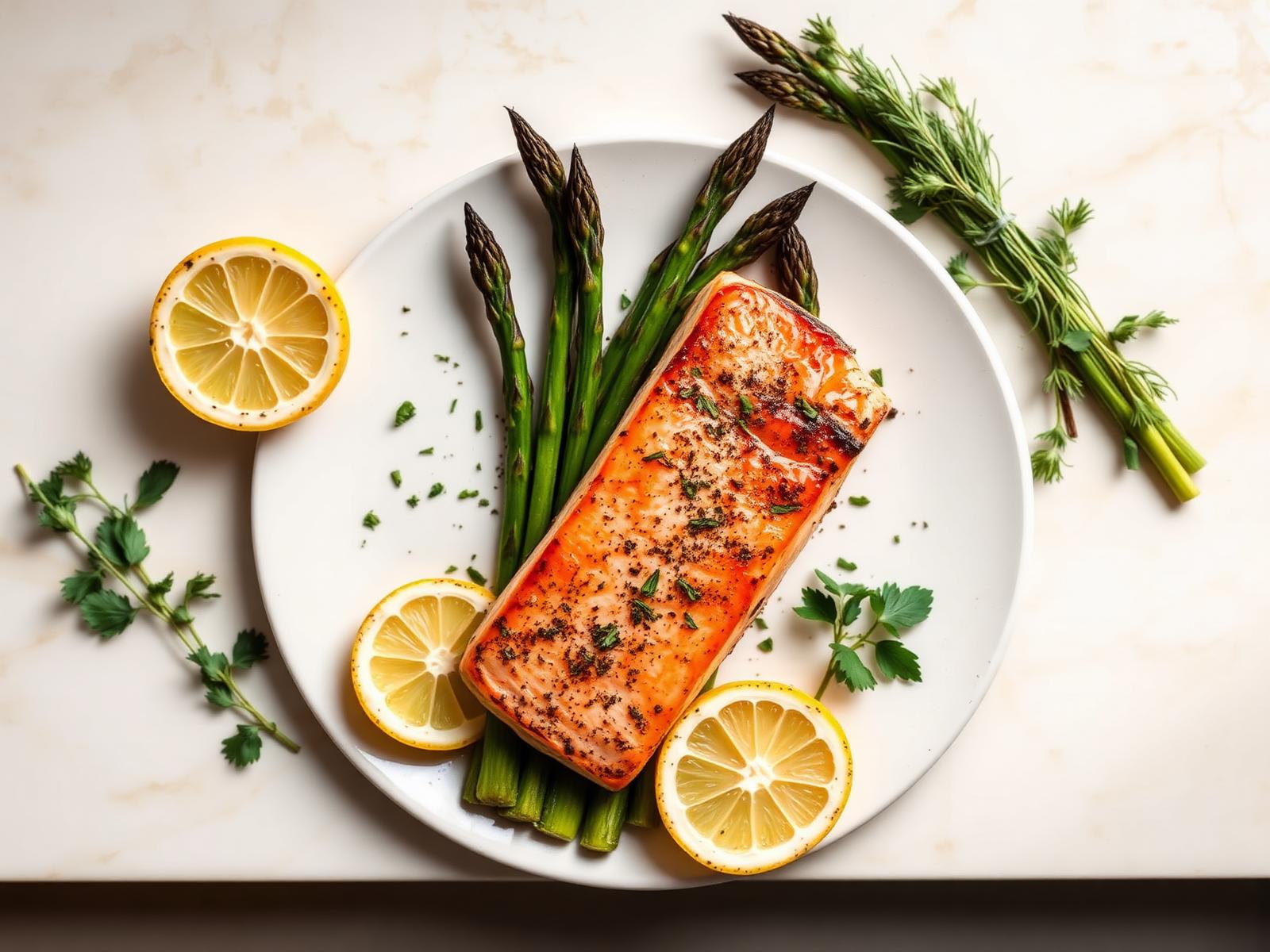
Pan-Seared Salmon with Lemon Asparagus
A restaurant-quality keto dinner that comes together in a single skillet in under 25 minutes. Crispy-skinned wild salmon, bright lemon, and tender roasted asparagus deliver a full plate of protein and heart-healthy fats with just 4 g net carbs.
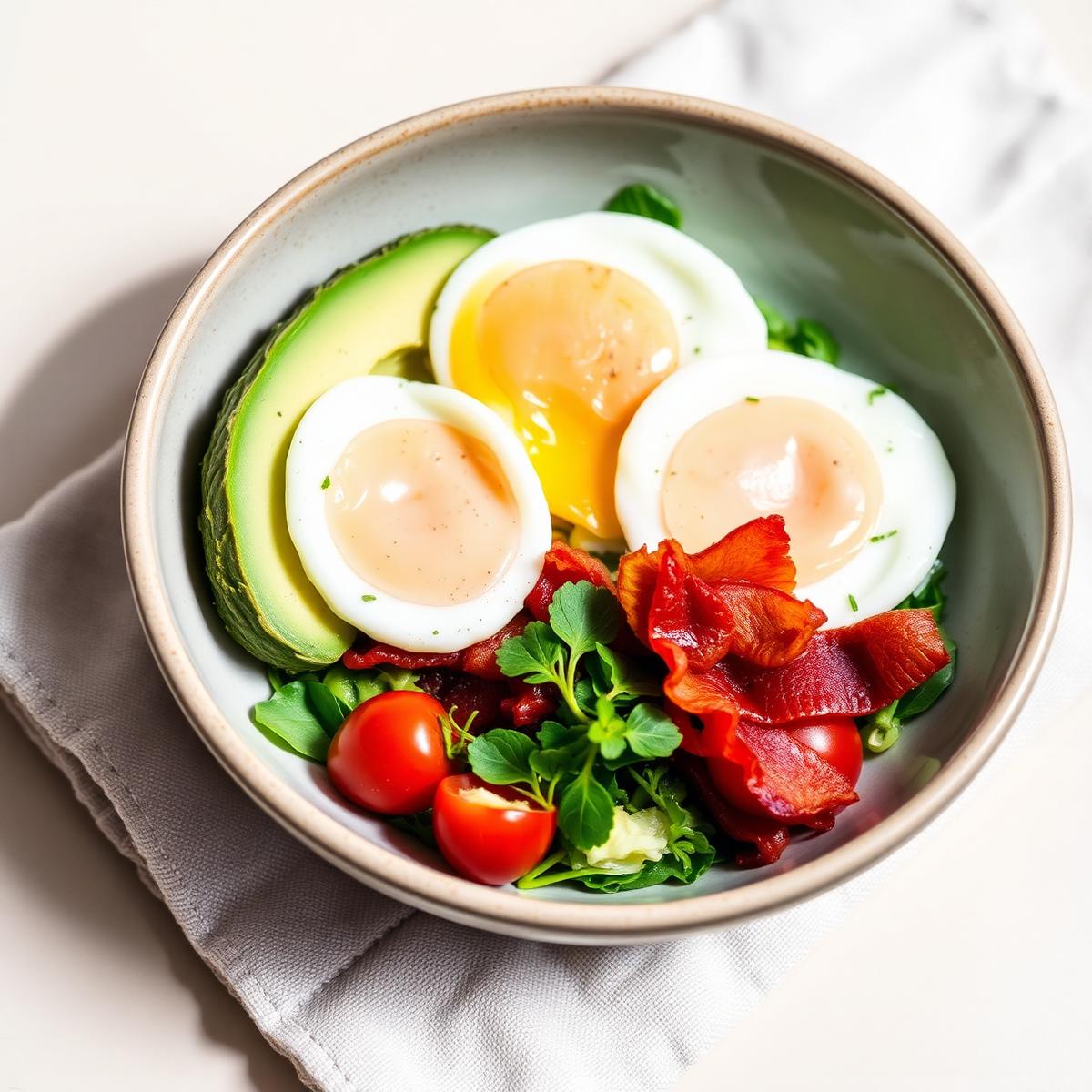
Avocado Breakfast Bowl with Soft-Boiled Eggs
A vibrant morning bowl that combines creamy avocado, jammy soft-boiled eggs, and crisp bacon for a keto breakfast that keeps you full for hours. Perfect for busy weekdays — most of it can be prepped ahead.
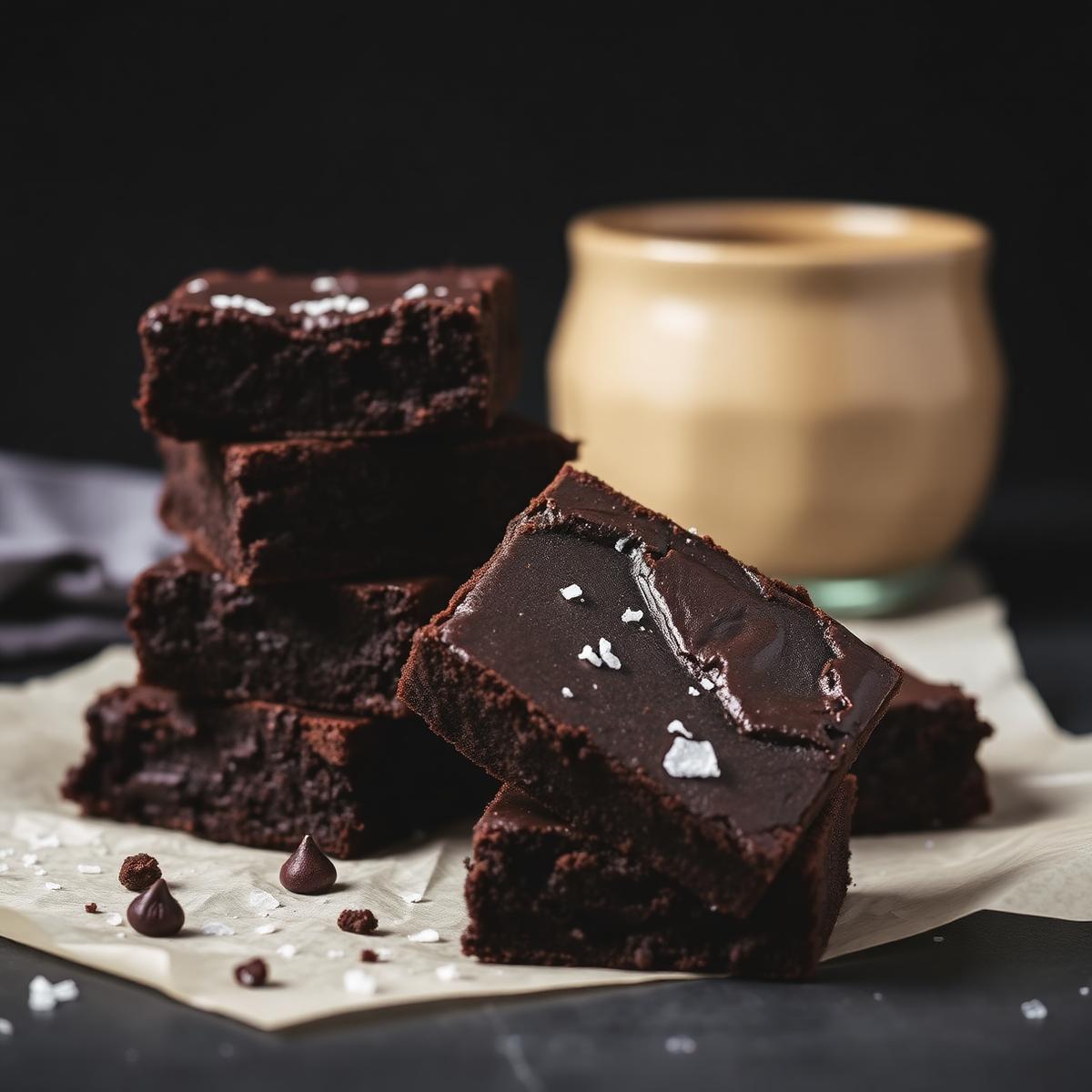
Fudgy Almond-Flour Chocolate Brownies
The keto brownie recipe our test kitchen makes on repeat. Rich, fudgy, and deeply chocolatey — with a shiny crackly top and only 2 g net carbs per square. No one will guess they're sugar-free and grain-free.