New York Keto Cheesecake with Almond Flour Crust and Raspberry Swirl
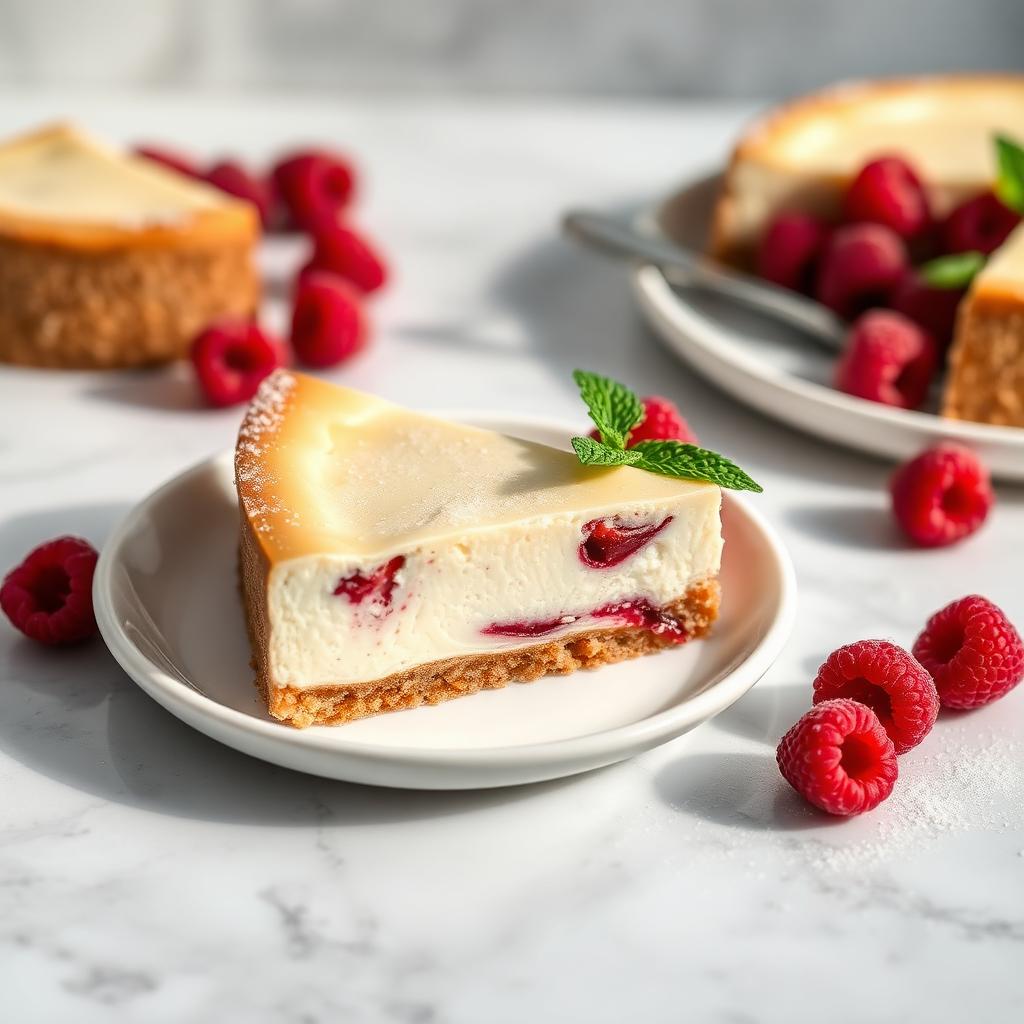
A dense, tangy, unmistakably New York-style cheesecake on a buttery almond-pecan crust, ribboned with fresh raspberry compote. Sweetened with allulose so it browns like sugar and never crystallizes — 5 g net carbs per slice, and no one will guess it's keto.
By Keto Kitchen Hub Editorial · Published July 18, 2026
- Prep
- 25 min
- Cook
- 65 min
- Total
- 90 min
- Servings
- 12
- Net Carbs
- 5 g
Instructions
- 1
Preheat oven to 325°F (163°C). Wrap the outside of a 9-inch springform pan tightly in two layers of heavy-duty foil to prevent water bath leakage.
- 2
Combine almond flour, ground pecans, 3 tbsp allulose, and melted butter. Press firmly into the bottom of the pan, going about ½ inch up the sides. Bake 12 minutes until fragrant and just golden. Cool completely.
- 3
In a saucepan, simmer raspberries with 2 tbsp allulose for 5 minutes, mashing gently. Strain out seeds if desired. Cool.
- 4
Beat cream cheese with 1 cup allulose on medium-low for 2 minutes until perfectly smooth. Scrape the bowl often — lumps at this stage will haunt you.
- 5
Add sour cream, vanilla, and lemon juice; beat until incorporated. Add eggs one at a time on the lowest speed, just until the yellow disappears. Over-beating incorporates air, which causes cracks.
- 6
Pour filling over crust. Dot the surface with raspberry sauce and swirl gently with a skewer.
- 7
Set the springform in a large roasting pan. Pour boiling water into the roasting pan until it reaches halfway up the sides of the springform.
- 8
Bake 55–65 minutes until the edges are set and the center jiggles like Jell-O. Turn off the oven, crack the door with a wooden spoon, and let it cool inside for 1 hour.
- 9
Transfer to a wire rack, run a knife around the edge, and cool completely. Chill at least 8 hours (ideally overnight) before releasing the pan.
Nutrition (per serving)
- Calories
- 385
- Fat
- 36 g
- Protein
- 8 g
- Total Carbs
- 7 g
- Fiber
- 2 g
- Net Carbs
- 5 g
Values are estimates calculated from typical ingredient databases. See our disclaimer.
Storage
Refrigerate covered for up to 5 days — the flavor actually improves on day 2. To freeze: slice, wrap each piece in parchment then foil, and freeze up to 3 months. Thaw overnight in the fridge. Never freeze whole cheesecake — texture suffers.
Expert tips
- Every dairy ingredient must be room temperature before mixing. Cold cream cheese equals lumps you can't beat out.
- Allulose is the ideal keto sweetener for baking — it caramelizes, browns, and doesn't crystallize. Erythritol will make the cheesecake grainy on day two.
- The water bath is non-negotiable for a crack-free surface. Don't skip it.
Frequently asked questions
+Why does my keto cheesecake crack?
Cracks come from three sources: cold ingredients, over-beating (too much air), or a sudden temperature change. Room-temp everything, mix on low after adding eggs, and cool slowly in the oven.
+Can I use erythritol instead of allulose?
You can, but the cheesecake will be firmer and slightly grainy after chilling. Blend erythritol to a powder first and expect a less silky texture.
+How is this different from regular cheesecake?
Nutritionally: 5 g net carbs vs 25+ g in traditional. Sensorially: nearly identical. The almond crust is arguably better than graham cracker.
+Can I skip the water bath?
You'll almost certainly get a large crack across the top and a drier texture. If you must, bake at 300°F and place a pan of hot water on the rack below.
Everything you need to know
In-depth guide · reviewed by our editorial team · approx. 15 min read
The Case for a Real Cheesecake on a Ketogenic Diet
Cheesecake, unlike most baked desserts, is nearly keto by default. Its main structural ingredient — cream cheese — is 33% fat, 6% protein, and only about 4% carbohydrate. What breaks the macros is sugar (usually 1 to 1.5 cups per cake) and a graham cracker crust (30+ grams of carbs per slice). Remove those two things and rebuild them with allulose and almond flour, and you have a cheesecake that tastes indistinguishable from the New York original at 5 grams of net carbs per slice.
This is one of the most important keto dessert insights: the best keto desserts aren't reimagined versions of low-fat desserts. They're the richest, fattiest, most decadent desserts you can think of — cheesecake, crème brûlée, dark chocolate ganache, panna cotta — with sugar and starch swapped out. The base of the dessert already fits the macros; you're only removing what shouldn't have been there in the first place.
This recipe produces a dense, tangy, unmistakably New York-style cheesecake with a buttery almond-pecan crust and a fresh raspberry swirl. Each slice: 385 calories, 36 g fat, 8 g protein, 7 g total carbs, 2 g fiber, 5 g net carbs. It serves twelve, keeps for a week in the fridge, freezes for three months, and — this is not hyperbole — will fool anyone at the table who doesn't know it's sugar-free.
Why Allulose Is the Only Sweetener That Works Here
The single most important ingredient choice in this recipe is allulose. Not erythritol. Not monk fruit blend with erythritol. Not stevia. Allulose. There are three technical reasons for this.
First, allulose caramelizes. It's a rare sugar that behaves in baking almost identically to sucrose — it browns, it melts, it develops the golden top surface that says 'cheesecake.' Erythritol does not caramelize; it recrystallizes as the cake cools, giving the top a gritty, snow-covered texture. Monk fruit blends behave similarly to their erythritol carrier.
Second, allulose stays smooth. Erythritol re-crystallizes in high-moisture environments (like the interior of a cheesecake) as it cools, giving the finished cake a subtle graininess that is nearly impossible to eliminate. Allulose remains dissolved and smooth even under refrigeration.
Third, allulose has a browning point that lets you achieve the classic golden top. This matters more than it sounds — the visual of a New York cheesecake is inseparable from that browning. A pale, ivory top reads as 'diet dessert' the moment it hits the table.
If allulose is not available where you live, use a monk fruit and erythritol blend and accept that the texture will be slightly grainier. Blend the sweetener to a powder first (a coffee grinder works) to minimize grittiness. Never use pure liquid stevia — the volume ratio is entirely different and the bulk contributed by allulose is what gives cheesecake its structure.
Building the Perfect Crust
The crust is the difference between a cheesecake that pretends to be low-carb and one that transcends the category. Blanched almond flour (not almond meal — meal contains the skins and gives a grittier texture) combined with finely ground pecans creates a base that mimics graham cracker in flavor while adding structural crunch.
The ratio of nut flour to fat matters. Six tablespoons of melted butter for two cups of dry mixture is exactly the right hydration — enough to hold the crust together when sliced, not so much that it turns to greasy paste. Skimp on butter and the crust crumbles when you cut into it; overdo it and the crust turns soggy under the filling.
Pre-bake the crust for a full twelve minutes at 325°F. This is non-negotiable. Almond flour is very absorbent, and an unbaked crust will suck moisture out of the filling and turn to mush. The pre-bake toasts the nuts (which deepens flavor dramatically) and sets the crust so it stays crisp under a full pound of wet cheesecake batter.
Cool the crust completely before adding the filling. A hot crust plus a cold filling equals condensation, which turns the crust into a soggy layer at the bottom of the cake. Twenty minutes on a wire rack is sufficient.
The Room-Temperature Rule
Every dairy ingredient in a cheesecake — cream cheese, eggs, sour cream — must be genuinely room temperature before mixing. This is not a suggestion. Cold cream cheese does not fully incorporate into a batter no matter how long you beat it. The result is small lumps that survive the bake and leave visible white specks in every slice.
'Room temperature' here means 65-70°F, which requires about two hours on the counter for cream cheese (unwrapped and cut into cubes to speed the process) and 30 minutes for eggs and sour cream. If you're impatient, submerge whole eggs in warm (not hot) water for five minutes, and microwave the cream cheese for 15 seconds on 50% power, checking every few seconds — you want soft, not melted.
Beat cream cheese and sweetener first, on medium-low speed, for a full two minutes. Scrape the bowl aggressively — the corners hold cold pockets of cream cheese that never mix in properly if you don't reach them. The finished mixture should be perfectly smooth and slightly glossy, with no visible lumps.
Eggs go in one at a time, on the lowest speed of your mixer, and you stop mixing the moment each egg disappears. Every extra second of beating incorporates more air into the batter. Air is the enemy of cheesecake — it's what causes the top to rise dramatically in the oven and then crack as the cake cools. A properly-mixed cheesecake batter should be dense enough to fall off a spoon in a slow, thick ribbon, not fluffy or aerated.
The Water Bath: Why It's Non-Negotiable
The water bath (bain-marie) is the technique that separates crack-free cheesecakes from the ones covered in ganache to hide the fissure across the top. It works by two mechanisms.
First, water conducts heat differently than air. A cheesecake baking in a 325°F oven is surrounded by dry air that heats the outer edges of the cake much faster than the center. The edges set, the center is still liquid, and as the center finally sets it contracts and pulls at the already-set edges — resulting in a crack. Water at 212°F transfers heat gently and evenly, so the entire cake sets at roughly the same rate.
Second, water evaporating from the bath humidifies the oven. Cheesecakes crack partly because the top surface dries out and shrinks faster than the interior. A humid oven keeps the top surface soft and pliable throughout the bake, so no shrinkage differential develops.
Setting up the water bath requires wrapping the outside of your springform pan in two layers of heavy-duty aluminum foil to prevent water leakage. Any water that seeps into the springform will ruin the crust. Place the wrapped springform in a large roasting pan, then pour boiling water into the roasting pan until it reaches halfway up the sides of the springform. Use boiling water so the oven doesn't have to spend energy heating the water bath itself.
The Slow Cool: The Second Half of the Crack Prevention
Baking is only half the crack-prevention story. The other half is cooling. A cheesecake that comes out of a 325°F oven and hits a 70°F kitchen counter will contract violently as it cools, and the top surface — which has just barely set — will crack open.
The solution is a three-stage cool. First, turn off the oven with the cake still inside and crack the door with the handle of a wooden spoon. Let the cake cool inside the oven for one hour. This drops the temperature from 325°F to about 150°F over sixty gentle minutes.
Second, remove the cake from the oven and let it sit on a wire rack (still in the water bath) for thirty minutes, until it reaches around 100°F. Third, remove from the water bath, run a thin knife around the edge to release the cake from the pan sides (contracting cake stuck to pan sides is another source of cracks), and cool at room temperature for another hour before refrigerating.
Do not skip the overnight refrigeration. A freshly-baked cheesecake sliced warm is a wet, oozy mess. Eight to twelve hours in the refrigerator allows the proteins to fully set, the flavors to meld, and the texture to become the dense, silky, sliceable ideal that defines New York cheesecake.
Raspberry Swirl Variations
Fresh raspberries are ideal for the swirl because they retain shape and color under heat. Frozen raspberries also work — just thaw and drain excess liquid before cooking. Do not skip the straining step if you're serving to guests; the seeds are edible but distract from the silky texture.
For a strawberry variation, use 1 cup hulled strawberries, simmered with 2 tbsp allulose and 1 tsp lemon juice until reduced by half. For blueberry, use 1 cup fresh blueberries and 1 tbsp lemon zest. For blackberry, use 1 cup and strain (the seeds are notoriously large).
For a chocolate swirl, melt 2 oz sugar-free dark chocolate with 2 tbsp heavy cream and drizzle over the batter before swirling. For a salted caramel swirl (which is genuinely miraculous), use 3 tbsp of sugar-free caramel sauce and finish with flaky sea salt after chilling.
For a plain New York version, skip the swirl entirely and top the cake after chilling with a thin layer of sweetened sour cream (½ cup sour cream + 2 tbsp powdered allulose + 1 tsp vanilla) spread across the top. Return to the fridge for two hours to set. This is the classic diner-style presentation.
Storage and Serving
Cheesecake improves with time. Day-two cheesecake is better than day-one cheesecake. Day-three cheesecake is often the peak. Store the finished cake covered (a cake dome or an inverted large bowl works) in the refrigerator for up to five days.
To freeze, slice the cake into individual portions. Wrap each slice in parchment paper, then in aluminum foil. Freeze in a zip-top bag for up to three months. Thaw overnight in the refrigerator — never at room temperature, which creates condensation.
Serve cold, straight from the refrigerator. Warm cheesecake is not a good cheesecake. Slice with a hot knife (run under hot water and wiped dry between cuts) for clean slices. Serve with a small handful of fresh raspberries, a mint sprig, or a dusting of powdered allulose for visual impact.
The Macros in Context
Per slice: 385 calories, 36 g fat, 8 g protein, 5 g net carbs. For a dessert, this is remarkable. A slice of Cheesecake Factory original cheesecake, for comparison, contains approximately 830 calories and 45 g of net carbohydrate.
The high fat content means one slice functions as a legitimate meal component, not just a treat. For someone in a fat-loss phase who eats OMAD (one meal a day), a slice of this cheesecake plus a couple of eggs and a coffee with cream can serve as an actual macro-appropriate dinner. This is the kind of flexibility that separates keto from other restrictive eating patterns.
For someone in a muscle-gain phase, the 8 g of protein per slice is unimpressive on its own, but pairing a slice with a scoop of collagen powder mixed into coffee brings the meal protein content above the leucine threshold. Cheesecake, in short, doesn't have to be a caloric add-on to your day. Structured intelligently, it can be a component of a well-designed meal.
Troubleshooting Guide
Top cracked: cold ingredients, over-mixed after eggs, or no water bath. Cover with sour cream topping or a berry compote and no one will know.
Gritty texture: erythritol crystallized. Next time, use allulose or blend erythritol to a powder before adding.
Watery cheesecake: overcooked (protein continued to contract and squeezed out water) or under-chilled (needs the full 8 hours to fully set).
Soggy crust: crust wasn't pre-baked long enough, or water bath leaked into the pan. Wrap springform in more foil next time.
Cheesecake stuck to pan: didn't run a knife around the edge before releasing the springform. Warm the outside of the pan gently with a hot damp towel for one minute, then release.
References
Allulose safety and metabolic profile: 2015 review in the Journal of Functional Foods, and FDA GRAS designation notice #400. Cream cheese fat/protein data from USDA FoodData Central entry #170854. Water bath science from Modernist Cuisine, volume 4.
This recipe is not medical advice. Excessive consumption of nut flours can cause GI distress in sensitive individuals. Introduce keto desserts gradually and monitor your response.
Related recipes
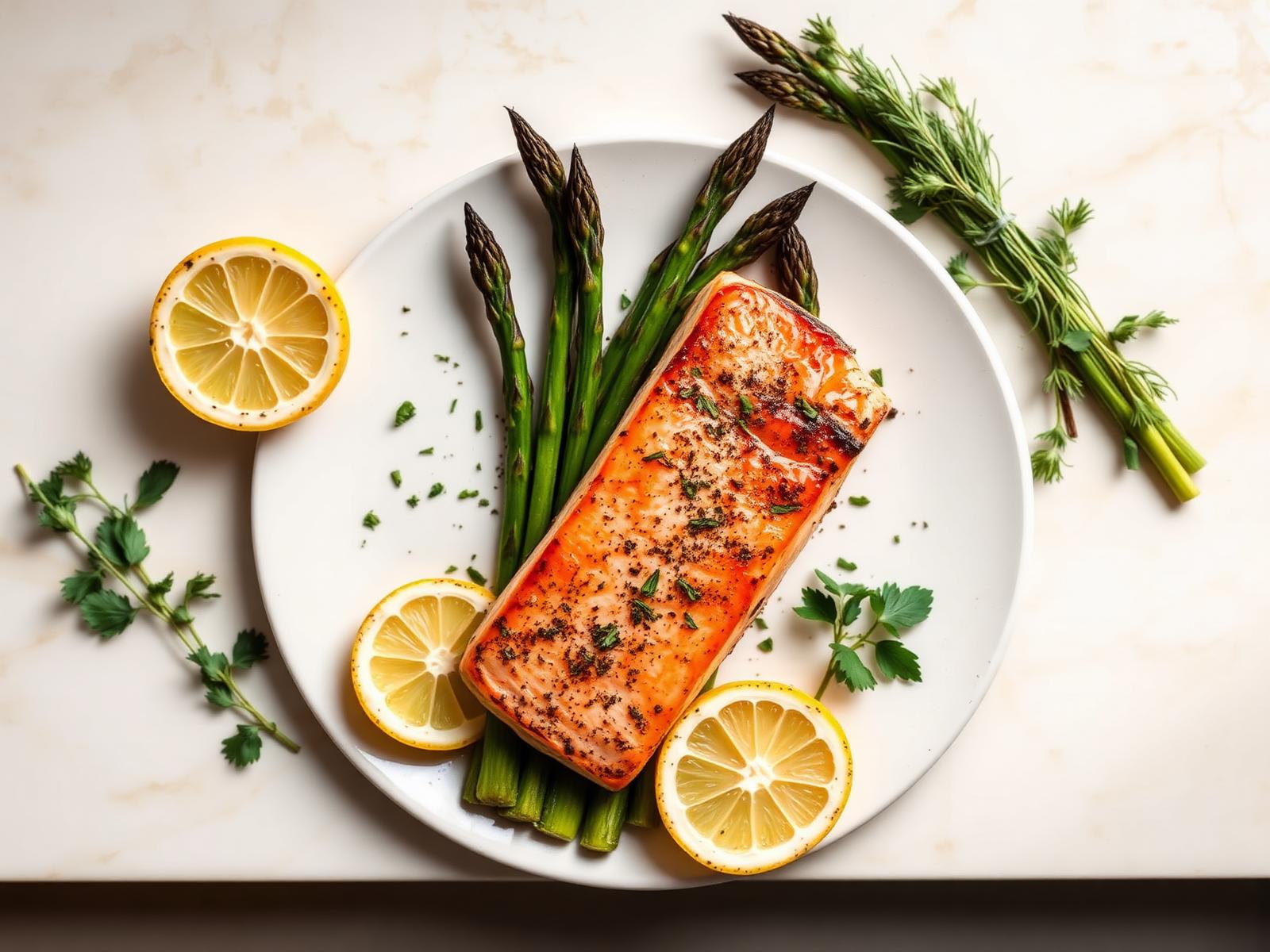
Pan-Seared Salmon with Lemon Asparagus
A restaurant-quality keto dinner that comes together in a single skillet in under 25 minutes. Crispy-skinned wild salmon, bright lemon, and tender roasted asparagus deliver a full plate of protein and heart-healthy fats with just 4 g net carbs.
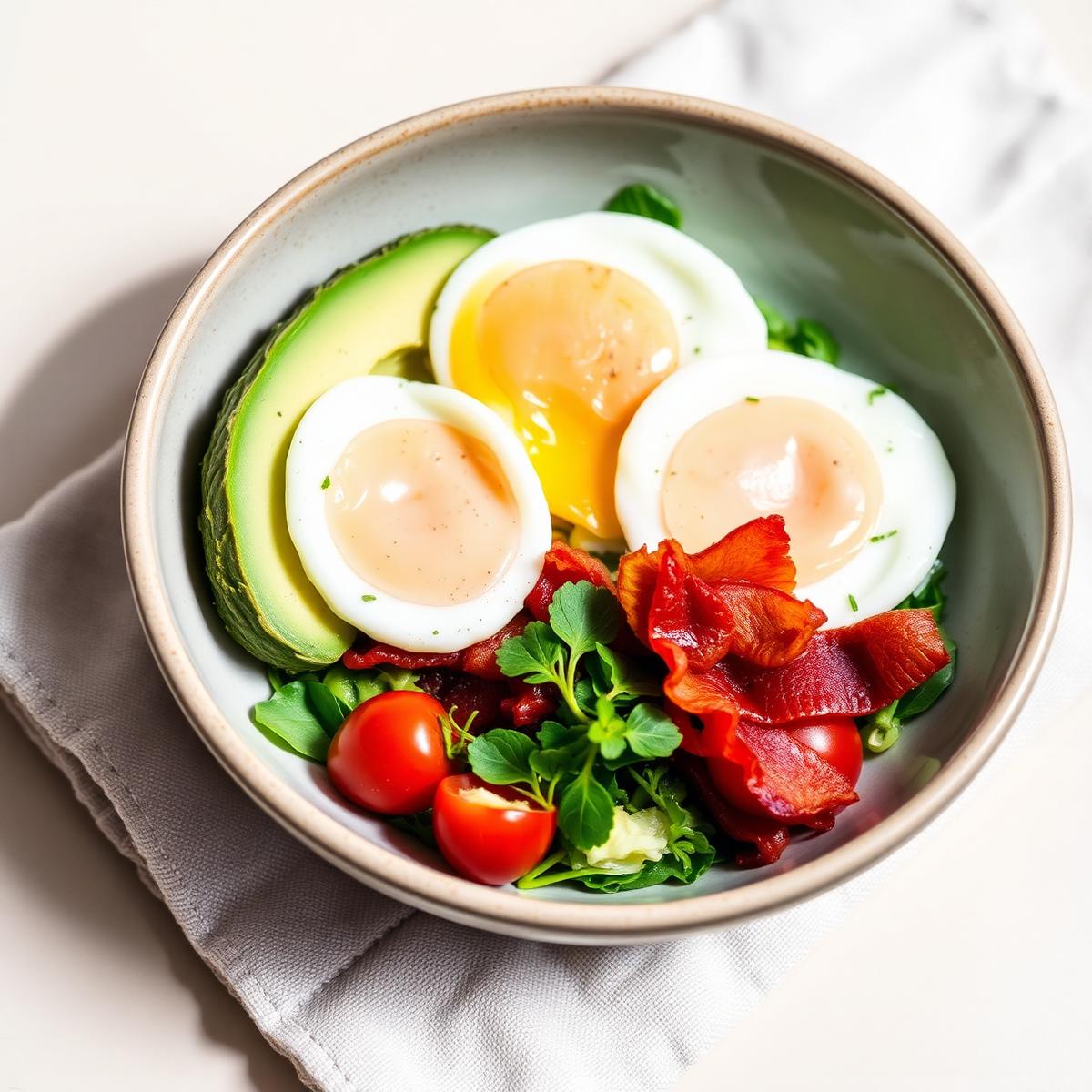
Avocado Breakfast Bowl with Soft-Boiled Eggs
A vibrant morning bowl that combines creamy avocado, jammy soft-boiled eggs, and crisp bacon for a keto breakfast that keeps you full for hours. Perfect for busy weekdays — most of it can be prepped ahead.
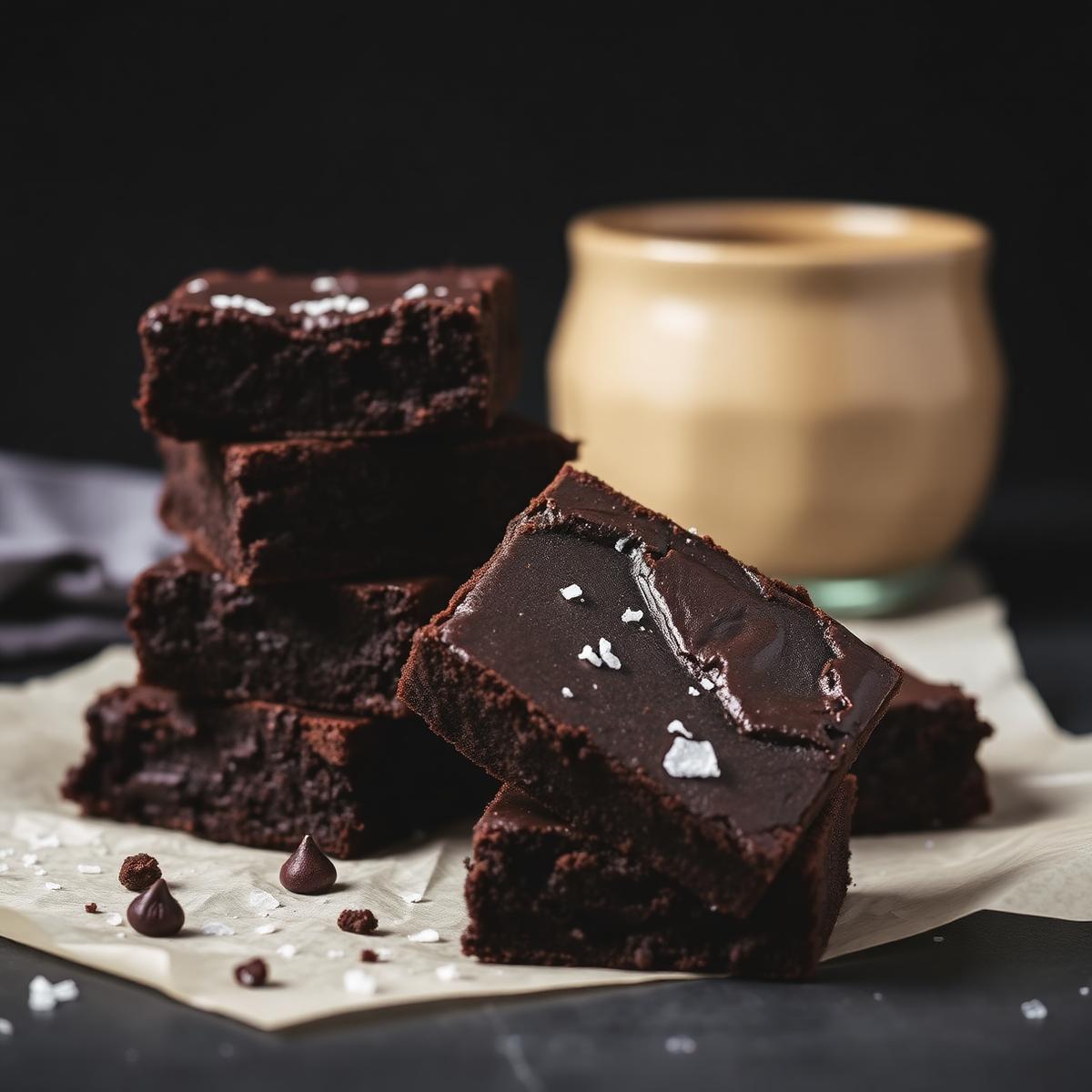
Fudgy Almond-Flour Chocolate Brownies
The keto brownie recipe our test kitchen makes on repeat. Rich, fudgy, and deeply chocolatey — with a shiny crackly top and only 2 g net carbs per square. No one will guess they're sugar-free and grain-free.