3-Ingredient Keto Dark Chocolate Peanut Butter Cups
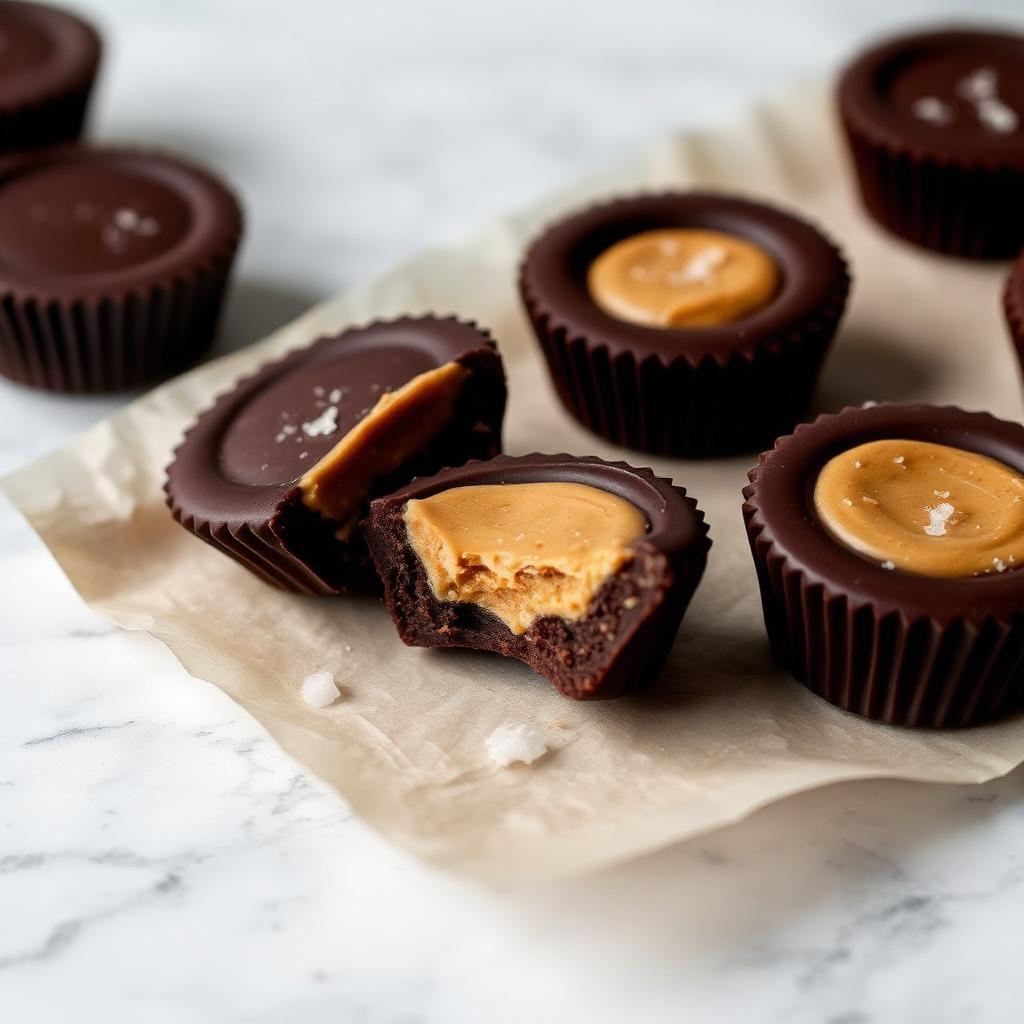
The homemade version of your favorite childhood candy — deep, snappy dark chocolate shells filled with salty-sweet peanut butter and finished with flaky sea salt. Three core ingredients, 15 minutes of hands-on time, and 2 g net carbs per cup. Freezer-stashed happiness on demand.
By Keto Kitchen Hub Editorial · Published July 15, 2026
- Prep
- 15 min
- Cook
- 0 min
- Total
- 15 min
- Servings
- 12
- Net Carbs
- 2 g
Instructions
- 1
Line a 12-cup mini muffin pan with paper or silicone liners. Silicone gives the prettiest edges.
- 2
Chop chocolate finely. Melt two-thirds of it in a double boiler (or microwave in 20-second bursts, stirring between) until smooth and 88°F (31°C). Off heat, stir in the remaining third to temper it — this gives you that satisfying candy snap instead of a soft, dull shell.
- 3
Spoon 1 tsp of chocolate into each liner. Tap the pan to spread and level. Freeze 5 minutes to set.
- 4
Meanwhile, whisk peanut butter, softened butter, powdered allulose, vanilla, and a pinch of salt until smooth and slightly fluffy. Chill 5 minutes to firm up so it scoops cleanly.
- 5
Scoop 1 tsp of peanut butter filling into each cup and press gently to flatten — leave a small border of chocolate visible around the edge.
- 6
Top each cup with another 1 tsp of chocolate, tapping to level and cover the filling completely. Sprinkle a tiny pinch of flaky sea salt on top of each.
- 7
Refrigerate 20 minutes or freeze 10 minutes until fully set. Peel from liners and serve.
Nutrition (per serving)
- Calories
- 155
- Fat
- 13 g
- Protein
- 4 g
- Total Carbs
- 5 g
- Fiber
- 3 g
- Net Carbs
- 2 g
Values are estimates calculated from typical ingredient databases. See our disclaimer.
Storage
Store in an airtight container in the fridge for up to 2 weeks or freeze up to 3 months. They soften quickly at room temperature — serve straight from the fridge for the best snap. Between layers of parchment prevents sticking.
Expert tips
- Use natural peanut butter with only peanuts and salt on the label — commercial brands loaded with palm oil and sugar will spike carbs and mask the chocolate.
- Tempering the chocolate feels fussy but takes 3 extra minutes and is what separates 'homemade candy' from 'chocolate you had to hide in the freezer to eat'.
- For gift-worthy cups, use a small offset spatula to smooth each layer before setting.
Frequently asked questions
+Is peanut butter keto?
Yes, in moderation. Two tablespoons of natural peanut butter contains 3 g net carbs and 16 g fat — a great snack ratio. Avoid brands with added sugars, honey, or hydrogenated oils.
+Can I use almond butter instead?
Absolutely. Almond butter is slightly lower in carbs (2 g net per 2 tbsp) and creates a milder flavor. Cashew butter works but is higher in carbs — use sparingly.
+Which sugar-free chocolate is best?
Lily's and ChocZero are stevia/allulose sweetened and taste closest to milk chocolate. Traditional 90% Lindt is naturally low-carb but bitter. Read the label — some 'sugar-free' brands use maltitol, which spikes blood sugar.
+Why did my chocolate turn white?
That's 'bloom' from untempered chocolate or temperature fluctuation. Still safe to eat, but taste and texture suffer. Temper properly and store cold.
Everything you need to know
In-depth guide · reviewed by our editorial team · approx. 15 min read
The Best Keto Candy You'll Ever Make
Homemade peanut butter cups are one of the great small victories of a ketogenic pantry. Three real ingredients, fifteen minutes of hands-on work, and you have a batch of candy that tastes better than the commercial version, contains a fraction of the sugar, and costs less per cup than a name-brand candy bar.
The commercial peanut butter cup is a triumph of food engineering — thin milk chocolate shells (typically 20-25% sugar), a peanut butter filling extended with sugar and hydrogenated oils, all for about 22 g of carbs per two-cup serving. The keto version keeps the emotional payoff and the exact same flavor profile at 2 g net carbs per cup, using nothing more than sugar-free dark chocolate, natural peanut butter, butter, allulose, and a pinch of salt.
For people transitioning to a ketogenic diet, homemade candy like this solves the biggest psychological hurdle: the sense of never getting to have a treat again. A batch of twelve peanut butter cups in the freezer means the answer to a 3 PM craving is always yes.
Choosing Your Chocolate
The chocolate carries the entire flavor of the finished candy, and the difference between good and bad sugar-free chocolate is enormous. There are three brands worth using and one worth avoiding.
Lily's is the most widely available option in American grocery stores. Sweetened with stevia and erythritol, it has a slight cooling effect on the tongue (from erythritol) but otherwise tastes remarkably close to standard chocolate. The 70% dark and the milk chocolate baking chips both work in this recipe.
ChocZero is more expensive but higher quality. Sweetened with monk fruit and soluble fiber, it has no cooling effect and no bitter aftertaste. The 70% and 85% dark chips are ideal for this recipe. It's what a serious keto baker keeps stocked.
Regular high-percentage dark chocolate (85-90% cocoa content) is naturally low in sugar and works if the sugar-free options aren't available. Ghirardelli Intense Dark 86% has about 4 g of net carbs per 15 g piece and produces a bittersweet, adults-only version of the candy.
Avoid any 'sugar-free' chocolate sweetened with maltitol. Maltitol has a glycemic index of 52 — closer to sugar than to a true sugar-alcohol — and will spike blood glucose. Read every label. Russell Stover, Hershey's Sugar Free, and most drugstore brands use maltitol.
The Tempering Question
Tempering chocolate is what separates candy that snaps like a professional confection from candy that soft-melts on your fingertips. It's a 3-minute step that most home recipes skip, and skipping it is the single biggest reason homemade keto chocolate looks amateur.
The technique is simple. Chop chocolate finely — small pieces melt evenly, big pieces create hot spots. Melt two-thirds of the chocolate in a double boiler or microwave (in 20-second bursts, stirring between) until it reaches 88°F (31°C). Take it off the heat and stir in the remaining third. The unmelted third seeds the melted portion with the correct crystal structure and pulls the whole batch into tempered chocolate.
You know your chocolate is tempered when a spoonful cooled on parchment paper sets glossy and snaps cleanly instead of setting dull and bending. Untempered chocolate looks matte or streaky and softens at the slightest touch of a finger.
For readers not ready to temper: melt all the chocolate in the microwave, use it as-is, and store the finished cups in the freezer. Frozen untempered chocolate is nearly indistinguishable from tempered. It's the room-temperature performance where tempering matters — a proper tempered candy stays firm in a warm pocket for an hour.
The Peanut Butter Filling
The filling is where 90% of homemade peanut butter cups fail. Straight peanut butter is too oily and slumps out of the chocolate shell. Peanut butter mixed with powdered sugar (the traditional Reese's-style approach) works structurally but adds carbs.
The keto version uses natural peanut butter, softened butter, and powdered allulose. The butter firms the filling to a scoopable consistency. The allulose sweetens without adding grittiness (which erythritol would). The vanilla and salt round out the flavor.
Natural peanut butter — meaning peanuts and salt as the only ingredients — is non-negotiable. Commercial peanut butter (Jif, Skippy) contains added sugar, palm oil, and hydrogenated oils that will spike carbs, alter texture, and dominate the flavor. If you can only find sweetened peanut butter, look for a variety with no added sugar. Justin's, Once Again, and store-brand natural peanut butter all work.
Chill the filling for five minutes before scooping. Cold filling holds its shape when you press it into the chocolate cups; warm filling spreads and squeezes out the sides during assembly.
Assembly: The Layer Order
The classic layered peanut butter cup has three distinct layers: chocolate bottom, peanut butter middle, chocolate top. Getting them to bond into a single unit requires each layer to be partially set before the next goes on.
Bottom layer: spoon 1 teaspoon of tempered chocolate into each liner. Tap the pan on the counter to spread the chocolate to the edges. Freeze five minutes until firm to the touch but not rock-hard.
Middle layer: scoop 1 teaspoon of filling into the center of each cup and press gently to flatten. Leave a small margin of chocolate visible around the edge — this is what allows the top layer to bond to the bottom and encapsulate the filling.
Top layer: spoon 1 teaspoon of chocolate over each filling and tap the pan to spread. If the chocolate has thickened while sitting, warm it briefly (10 seconds at 50% microwave power) to loosen.
Finishing touch: while the top layer is still wet, sprinkle each cup with a tiny pinch of flaky sea salt. Maldon is the classic choice. The salt provides a flavor contrast that separates a good cup from a memorable one.
Refrigerate 20 minutes or freeze 10 minutes to fully set. Peel from liners and serve.
Variations
Almond butter cups: swap peanut butter for natural almond butter. Slightly lower carbs (2 g net vs 3 g in the peanut version) and a milder, more delicate flavor.
Hazelnut cups: use natural hazelnut butter and add 1 tsp cocoa powder to the filling. Add a whole toasted hazelnut in the center of each cup for a Ferrero Rocher-style crunch.
White chocolate cups: use sugar-free white chocolate for the shell (ChocZero makes an excellent version). The filling flavor comes forward more strongly — try lemon curd or raspberry jam (sugar-free) as the filling.
Salted caramel cups: replace peanut butter filling with sugar-free caramel (available from ChocZero) mixed with 2 tbsp cream cheese to firm the texture.
Coconut cups: replace peanut butter with a mixture of ½ cup coconut butter, 2 tbsp coconut oil, 2 tbsp shredded unsweetened coconut, and 2 tbsp allulose. Almond Joy without the almond, or add one to the middle.
Espresso cups: add 1 tsp instant espresso powder to the melted chocolate. Deep, adult flavor that pairs beautifully with an evening coffee.
The Sugar Alcohol Discussion
This recipe uses allulose in the filling and, depending on your chocolate brand, some combination of erythritol, stevia, monk fruit, or allulose in the chocolate itself. Understanding these sweeteners is important for anyone eating them regularly.
Allulose is a rare sugar found naturally in figs and raisins. It has 90% fewer calories than sugar, does not raise blood glucose or insulin in most people, and does not cause the GI distress that traditional sugar alcohols can. The FDA excludes it from the 'total sugars' line on nutrition labels but includes it in total carbs — subtract allulose from the carb count for a more accurate net carb calculation.
Erythritol is 70% as sweet as sugar, produces no glycemic response, and is well-tolerated in doses under 50 g per day. Higher doses can cause a laxative effect in sensitive individuals. It has a cooling effect on the tongue that some people find pleasant and others find distracting.
Monk fruit is a Chinese fruit extract that's 200 times sweeter than sugar. It contains no calories and produces no glycemic response. Almost always sold in a blend with erythritol as a bulking agent — pure monk fruit is too potent to measure at home.
Stevia is a South American leaf extract that's 300 times sweeter than sugar. Some people perceive a bitter or licorice aftertaste; others don't. Well-tolerated at low doses.
Avoid maltitol, sorbitol, and xylitol at all costs. Maltitol spikes blood glucose. Sorbitol and xylitol cause severe GI distress in modest doses. Xylitol is also acutely toxic to dogs — keep any xylitol-containing food far from pets.
Storage and Shelf Life
Refrigerated in an airtight container, the cups keep for two full weeks. Layer them between parchment paper to prevent sticking. The peanut butter filling actually improves over the first 24 hours as the flavors meld.
Frozen, they keep for three months without any loss of quality. Portion into a zip-top freezer bag and grab one at a time as needed. They thaw at room temperature in about 5 minutes, and eaten frozen they have a satisfying dense chew that some people prefer.
Do not leave at room temperature for more than an hour. The peanut butter filling softens and the chocolate — even when tempered — will start to bloom (develop white streaks) if held above 75°F for extended periods.
For gifting, package in small paper candy cups arranged in a small box. Two cups per box makes a lovely holiday or hostess gift. Include a small card noting they should be refrigerated.
Macros and Serving Notes
Per cup: 155 calories, 13 g fat, 4 g protein, 5 g total carbs, 3 g fiber, 2 g net carbs. Two cups: 310 calories, 26 g fat, 8 g protein, 4 g net carbs.
The high fat content (75% of calories) makes these useful as a fat-source for someone struggling to hit ketogenic macros — a common issue for people transitioning off a low-fat diet. Two cups after dinner covers 25% of a 100 g fat target.
The 2 g net carb count per cup is genuinely low, which means these can be eaten daily without meaningfully impacting a 20 g net carb budget. That said, treat frequency is a slippery slope — daily dessert consumption, even keto dessert consumption, can extend cravings that would otherwise resolve within the first month of ketogenic eating.
For fat-loss protocols, use candy sparingly as a reward tool rather than a daily habit. For maintenance or muscle-building phases, daily consumption is fine.
Troubleshooting
Chocolate too thick to spoon: overheated. Add a teaspoon of coconut oil and stir gently until loose.
Chocolate seized (turned lumpy and grainy): water contact. Once seized, chocolate cannot be recovered as smooth. Repurpose as ganache by whisking in 2 tbsp warm cream and using as a dip or drizzle.
Peanut butter filling too soft: not enough butter, or you used runny natural peanut butter without stirring first. Chill an extra 10 minutes before assembling.
Peanut butter filling grainy: erythritol wasn't powdered fine enough. Blend erythritol in a coffee grinder before mixing, or switch to allulose.
White spots on set chocolate: fat bloom from temperature swings or untempered chocolate. Still safe to eat but visually unappealing. Refrigerate more consistently or temper properly next time.
References
Chocolate tempering science from Modernist Cuisine (2011), vol 4. Allulose metabolic profile from a 2015 review in Journal of Functional Foods. Sugar alcohol tolerance ranges from the World Journal of Gastroenterology, 2019.
This is not medical advice. Peanut allergies are common — if you have any doubt, substitute sunflower seed butter or almond butter. Sugar alcohols can cause GI distress in sensitive individuals; introduce them gradually.
Related recipes
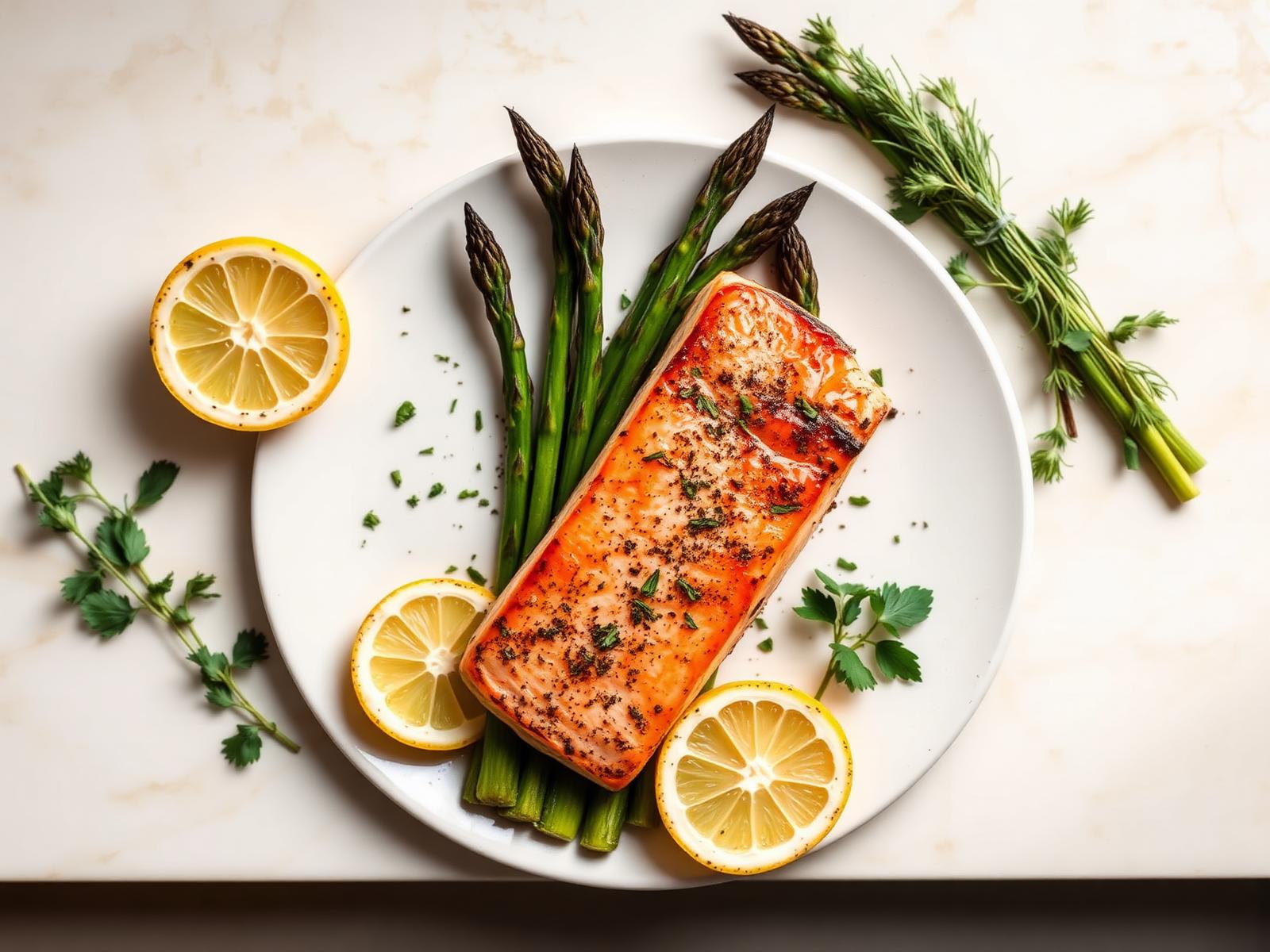
Pan-Seared Salmon with Lemon Asparagus
A restaurant-quality keto dinner that comes together in a single skillet in under 25 minutes. Crispy-skinned wild salmon, bright lemon, and tender roasted asparagus deliver a full plate of protein and heart-healthy fats with just 4 g net carbs.
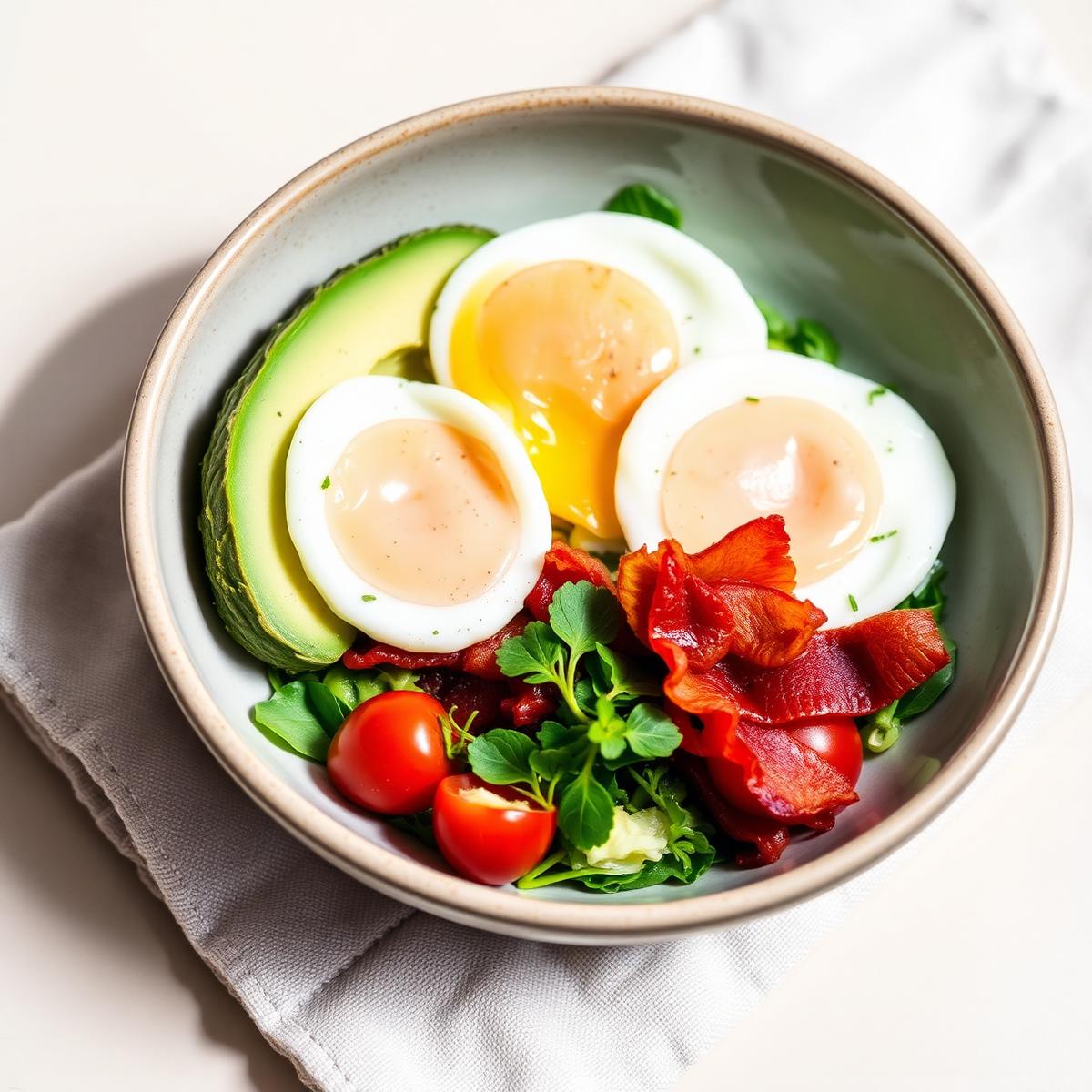
Avocado Breakfast Bowl with Soft-Boiled Eggs
A vibrant morning bowl that combines creamy avocado, jammy soft-boiled eggs, and crisp bacon for a keto breakfast that keeps you full for hours. Perfect for busy weekdays — most of it can be prepped ahead.
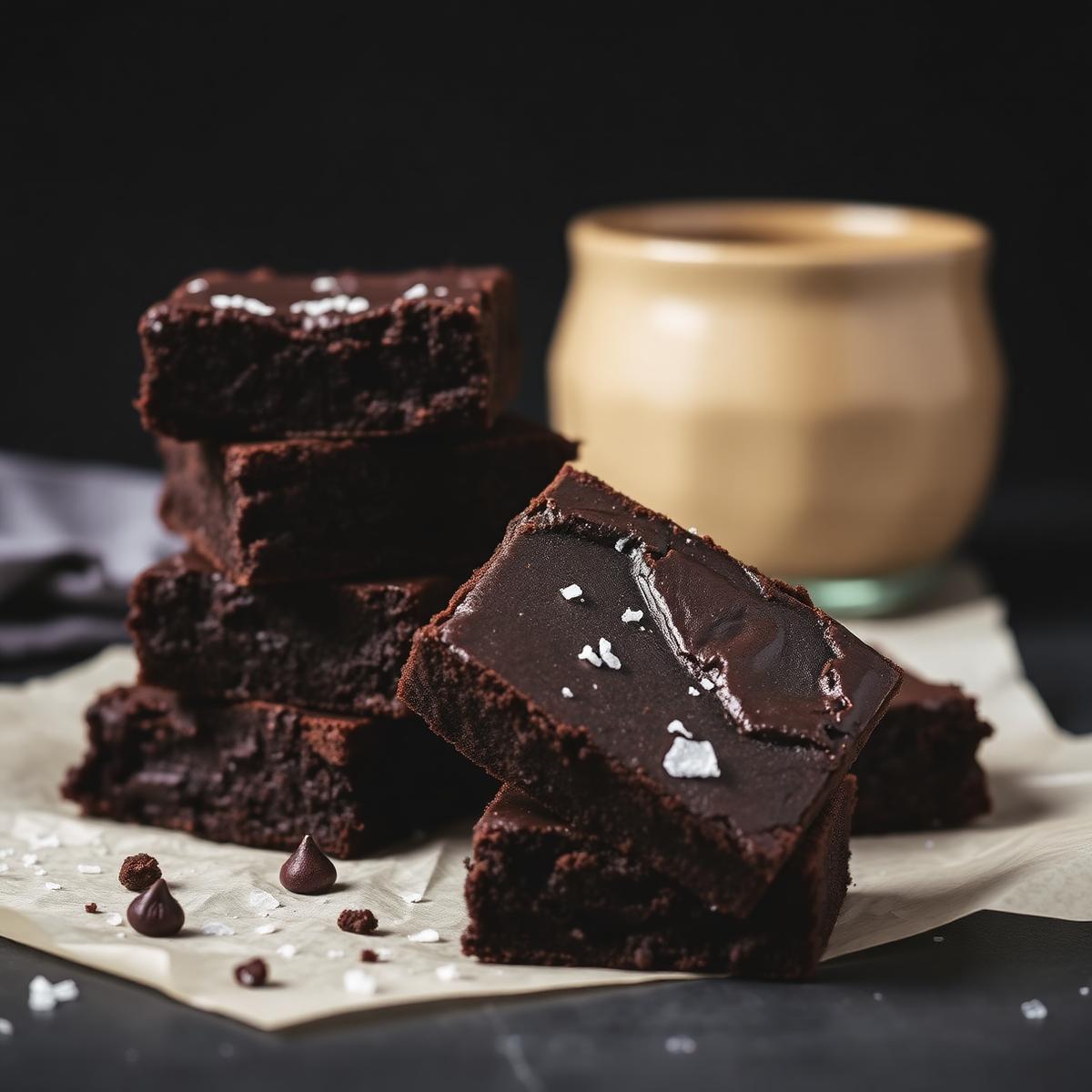
Fudgy Almond-Flour Chocolate Brownies
The keto brownie recipe our test kitchen makes on repeat. Rich, fudgy, and deeply chocolatey — with a shiny crackly top and only 2 g net carbs per square. No one will guess they're sugar-free and grain-free.