Meal-Prep Keto Breakfast Egg Muffins (5 Flavors)
The single most reliable keto breakfast prep on the internet. One base recipe, five flavor variations, and portable protein-packed muffins ready in 30 minutes. Grab two on your way out the door for a 2 g net carb, 18 g protein start — no drive-through required.
By Keto Kitchen Hub Editorial · Published July 17, 2026

- Prep
- 10 min
- Cook
- 22 min
- Total
- 32 min
- Servings
- 12
- Net Carbs
- 2 g
Instructions
- 1
Preheat oven to 375°F (190°C). Very generously grease a 12-cup muffin tin — silicone liners work best if you have them. Skimping here means eggs weld to the pan.
- 2
Whisk eggs, cream, salt, and pepper in a large measuring cup with a spout until fully blended and pale yellow. The spout is the secret to filling muffin cups without a disaster.
- 3
Divide your chosen mix-ins evenly among the cups. Sprinkle cheese on top of the mix-ins.
- 4
Pour egg mixture into each cup, filling about ¾ full. Give the pan a gentle tap on the counter to release air bubbles.
- 5
Bake 20–24 minutes until puffed, set in the center, and just barely golden on top. Don't over-bake or the whites turn rubbery.
- 6
Cool 5 minutes in the pan, then run a knife around each muffin and lift out. They'll deflate slightly — that's normal.
Nutrition (per serving)
- Calories
- 155
- Fat
- 12 g
- Protein
- 10 g
- Total Carbs
- 2 g
- Fiber
- 0 g
- Net Carbs
- 2 g
Values are estimates calculated from typical ingredient databases. See our disclaimer.
Storage
Refrigerate in an airtight container up to 5 days. Reheat 20 seconds in the microwave or 5 minutes in a 300°F oven. Freeze up to 3 months: wrap individually in parchment then bag; thaw overnight or microwave from frozen for 60 seconds.
Expert tips
- Overfilling the cups (>¾ full) creates a mushroom shape that collapses ugly. Trust the ratio.
- Salt the mix-ins the day before if using watery vegetables like spinach — squeeze out moisture before adding.
- For grab-and-go breakfast, portion two muffins with a hard-boiled egg and a handful of macadamias for a perfect 20g fat / 25g protein / 3g carb meal.
Frequently asked questions
+What are the 5 flavor variations?
1) Bacon-cheddar-chive. 2) Sausage-spinach-feta. 3) Ham-swiss-broccoli. 4) Chorizo-pepper-jack-jalapeño. 5) Smoked salmon-goat cheese-dill. All hit 2–3 g net carbs per muffin.
+Can I make these dairy-free?
Yes. Replace cream with coconut milk and skip cheese; add ½ tsp nutritional yeast for a cheesy note. Add extra veggies or meat to compensate for the missing volume.
+Why do my egg muffins collapse?
Some deflation is normal — eggs puff from steam and settle as they cool. Dramatic collapse means over-baking or too much liquid. Reduce cream by half if it persists.
+How many should I eat for breakfast?
Two to three muffins is a reasonable adult breakfast, delivering 20–30 g protein and 4–6 g net carbs. Pair with avocado or nuts to hit your fat target.
Everything you need to know
In-depth guide · reviewed by our editorial team · approx. 15 min read
Why Egg Muffins Are the Most Underrated Keto Breakfast
There is no more consistently useful meal-prep item in the keto pantry than the humble egg muffin. Portable, freezer-stable, endlessly variable, and requiring exactly one bowl and one muffin pan to produce twelve breakfasts, they solve the single biggest obstacle most people face on a ketogenic diet: what to eat at 7 AM when you're rushing to leave the house.
Traditional 'grab and go' breakfasts are overwhelmingly carb-based. Cereal, toast, muffins, granola bars, oatmeal, breakfast pastries, drive-through breakfast sandwiches on English muffins — the entire architecture of modern breakfast is built on refined carbohydrate. Even 'healthy' breakfasts like yogurt with granola, smoothies with bananas, or overnight oats can push 40 to 60 grams of carbs in a single serving.
Egg muffins offer a complete flip of that model. Each muffin delivers approximately 155 calories, 12 g of fat, 10 g of protein, and just 2 g of net carbs. Two muffins with a cup of coffee (bulletproof or black) is a legitimate 300+ calorie breakfast that hits protein and fat targets while adding almost nothing to the carb budget. And they take 30 minutes to make on Sunday for the entire week.
The Base Recipe Is a Formula, Not a Rule
This recipe is structured as a formula: 12 eggs, ¼ cup fat (cream or coconut milk), 1 cup cheese, and 1 cup mix-ins. Any combination that fits that formula will produce a functional egg muffin. Understanding the formula is what turns this from a single recipe into an infinite family of breakfasts.
The 12 eggs are the structural base. This is not a variable — twelve large eggs fills twelve muffin cups to the correct ¾ level after adding solids. If you use extra-large eggs, use eleven; if you use small eggs, use fourteen.
The ¼ cup of fat contributes richness and prevents the eggs from turning rubbery. Heavy cream is the default, but full-fat coconut milk works for dairy-free versions. Sour cream (¼ cup thinned with 2 tbsp water) gives a tangier flavor. Cream cheese (2 oz whisked into the eggs while warm) makes the muffins denser and more soufflé-like.
The 1 cup of cheese binds the muffins together and adds flavor. Any melting cheese works: cheddar, monterey jack, gruyere, gouda, feta (technically a non-melting cheese but adds beautifully), goat cheese, mozzarella (for pizza-style muffins), or a combination.
The 1 cup of mix-ins is where the flavor variations live. Any cooked meat, sautéed vegetable, or finished sauce can go here. Never use raw vegetables — they release too much water during baking and turn the muffins soggy. Always cook, drain, and cool your mix-ins before adding to the eggs.
The Five Signature Flavor Variations
Variation 1 — Bacon Cheddar Chive: 6 slices cooked bacon, crumbled; 1 cup shredded sharp cheddar; 2 tbsp chopped chives. This is the classic. Salt-forward, smoky, familiar. 2 g net carbs per muffin, 12 g fat, 11 g protein. If you're new to keto meal prep, start here.
Variation 2 — Italian Sausage, Spinach, and Feta: ½ lb sweet Italian sausage (casings removed, browned and drained); 2 cups fresh spinach (sautéed and squeezed dry); 1 cup crumbled feta. Mediterranean flavor profile, slightly higher protein at 12 g per muffin, and the feta gives a nice tangy contrast to the rich egg base.
Variation 3 — Ham, Swiss, and Broccoli: 1 cup diced deli ham; 1 cup steamed broccoli florets (chopped small); 1 cup shredded gruyere or swiss. Reminiscent of a quiche Lorraine. Excellent for people who don't like breakfast tasting like breakfast.
Variation 4 — Chorizo, Pepper Jack, and Jalapeño: ½ lb Mexican chorizo (crumbled and browned); 1 cup shredded pepper jack; 2 jalapeños (seeded and diced small). Spicy, bold, and unbelievably good with a squeeze of lime and a spoonful of guacamole on top. Watch for chorizo sugar content — some brands add sugar to the spice blend.
Variation 5 — Smoked Salmon, Goat Cheese, and Dill: 4 oz cold-smoked salmon (chopped); ½ cup crumbled goat cheese; 2 tbsp fresh dill; 2 tbsp chopped red onion. Elegant, brunch-worthy, dinner-party-appropriate. Fewer calories (approximately 130 per muffin) and the highest omega-3 content of any variation.
Technique: The Details That Matter
Grease the muffin pan aggressively. Silicone liners are the gold standard — eggs release cleanly and cleanup takes seconds. If you don't have silicone, use a heavy hand with butter or avocado oil spray, coating both the bottom and the sides of each cup. Skimping here means eggs weld to the pan and you spend Sunday morning chiseling them out.
Whisk the eggs, fat, and seasonings in a large measuring cup with a spout. This is a small detail with outsized impact — filling muffin cups from a spouted vessel is dramatically easier than ladling from a bowl. A 4-cup Pyrex measuring cup is the ideal tool.
Layer the fillings before the liquid: mix-ins first, cheese on top of the mix-ins, then pour the eggs over everything. This ensures the solids stay distributed instead of sinking to the bottom.
Fill each cup ¾ full — not to the top. Egg muffins puff dramatically in the oven and settle as they cool. Overfilling produces a mushroom shape that eventually collapses and looks unattractive.
Tap the filled pan gently on the counter twice before it goes in the oven. This releases air bubbles that would otherwise expand during baking and leave holes in the finished muffin.
Bake at 375°F (190°C) for 20-24 minutes. The muffins are done when the tops are puffed, the centers are set (no visible jiggle), and the tops are just barely golden. Over-baked egg muffins are rubbery. Under-baked ones collapse and leak.
Vegetable Prep: The Water Problem
The single most common reason egg muffins turn out watery or spongy is under-prepared vegetables. Every fresh vegetable — spinach, mushrooms, tomatoes, bell peppers, broccoli — contains significant amounts of water that will release during baking and pool at the bottom of the muffin cup.
For leafy greens (spinach, chard, kale), sauté in a dry pan for 2-3 minutes until wilted, then transfer to a fine-mesh sieve and press firmly with a spatula to squeeze out excess water. Alternatively, chop and salt raw greens, let them sit for 10 minutes, then squeeze in a clean kitchen towel.
For mushrooms, sauté in a hot pan until they've released all their water and it has evaporated. Undercooked mushrooms will double the water content of your muffins.
For tomatoes, seed and drain before adding. Sun-dried tomatoes are a superior option — they contribute concentrated flavor without any water. Rehydrate them for 5 minutes in warm water, drain, and chop.
For bell peppers, sauté briefly to soften and reduce water content. Raw peppers work in a pinch but produce a wetter muffin.
Storage: Making Them Last a Week
Cooled egg muffins refrigerate for up to five days in an airtight container. Layer with parchment paper between each layer to prevent sticking. They actually taste better on day two — the flavors meld and the salt distributes more evenly.
For freezer storage, cool completely, wrap each muffin individually in parchment paper, then transfer to a zip-top freezer bag. Freeze up to three months. Individual wrapping is critical — without it, you'll end up with a solid brick of muffins that can't be portioned.
To reheat from the refrigerator: microwave 20-30 seconds on high, or bake at 300°F for 5-7 minutes. To reheat from frozen: microwave 60-90 seconds on high, or bake at 350°F for 10-12 minutes. The oven method produces a slightly better texture; the microwave method wins on convenience.
For grab-and-go mornings, place two muffins in a container the night before, then microwave in the container at work. Add a handful of macadamia nuts and a piece of cheese for a complete portable breakfast under 400 calories.
Macros: How Egg Muffins Fit a Ketogenic Day
The bacon-cheddar-chive variation delivers per muffin: 155 calories, 12 g fat (of which 5 g saturated), 11 g protein, 2 g total carbs, 0 g fiber, 2 g net carbs. Two muffins as breakfast: 310 calories, 24 g fat, 22 g protein, 4 g net carbs.
For a standard 2000-calorie ketogenic day with 20 g net carb target, two muffins consume 15.5% of calories, 24% of daily protein target, and 20% of the carb budget. That leaves ample room for a substantial lunch and dinner without over-consuming any macronutrient.
For someone doing intermittent fasting with a 16:8 eating window, two egg muffins can serve as the breaking-fast meal (approximately noon), followed by a larger dinner at 4-6 PM. The high protein-to-fat ratio in egg muffins makes them ideal for breaking a fast — protein is more satiating than fat during the immediate post-fast window.
For an athlete or someone in a muscle-building phase, four egg muffins (620 calories, 44 g protein) plus a bulletproof coffee (250 calories, 25 g fat) makes a genuinely substantial pre-workout breakfast that will not spike blood glucose.
Dairy-Free Adaptations
Replace cream with full-fat canned coconut milk (not the boxed drinking variety, which is watered down). Replace cheese with either ½ cup nutritional yeast (for a cheesy note) plus 2 tbsp coconut cream, or dairy-free cheese shreds (Violife and Miyoko's both work in this context).
Add extra protein to compensate for the missing cheese: bump the meat mix-ins from 1 cup to 1.5 cups, or add ¼ cup chopped nuts (almonds, walnuts, pecans) for extra texture and healthy fats.
Increase salt slightly — dairy fat carries flavor in a way that coconut fat doesn't quite match. An extra ¼ teaspoon of sea salt makes a noticeable difference.
The finished dairy-free muffins will be slightly less rich and slightly more egg-forward. They're still excellent, just different.
Troubleshooting Common Problems
Muffins stuck to pan: not enough grease, or you tried to remove them while still hot. Cool 5 minutes in the pan, run a thin knife around each cup, and lift out with a small offset spatula.
Muffins deflated dramatically: over-baked. Reduce oven time by 2-3 minutes next time and check for doneness with a toothpick — it should come out clean or with a tiny bit of moisture.
Muffins watery at the bottom: vegetables weren't drained enough, or the eggs weren't fully cooked in the center. Squeeze veggies harder next time and add 3-5 minutes to the bake time.
Muffins rubbery: over-baked or too much heat. Egg proteins turn rubbery above 180°F internal temperature. Reduce oven temp to 350°F if your oven runs hot.
Muffins bland: not enough salt or too little cheese. Egg muffins need more seasoning than you'd think — a full teaspoon of salt per 12 eggs is standard.
References
Egg nutrition data from USDA FoodData Central entry #171287. Protein satiety research from the American Journal of Clinical Nutrition (2013 review on protein and appetite). Leucine threshold data from Layne Norton et al., 2015.
This is not medical advice. Egg allergies affect approximately 2% of children and 0.5% of adults. If you have a known egg allergy, this recipe is not for you.
Related recipes
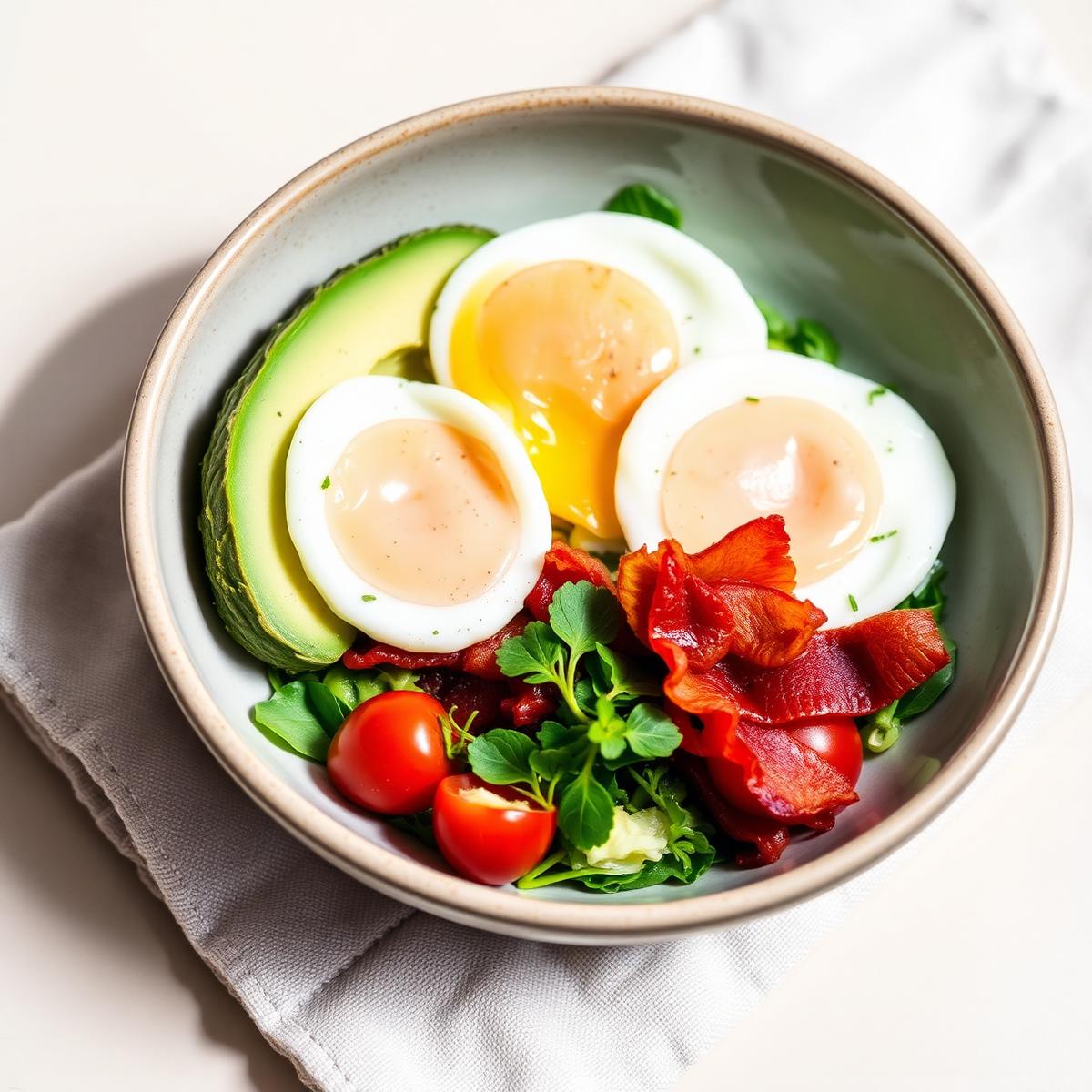
Avocado Breakfast Bowl with Soft-Boiled Eggs
A vibrant morning bowl that combines creamy avocado, jammy soft-boiled eggs, and crisp bacon for a keto breakfast that keeps you full for hours. Perfect for busy weekdays — most of it can be prepped ahead.
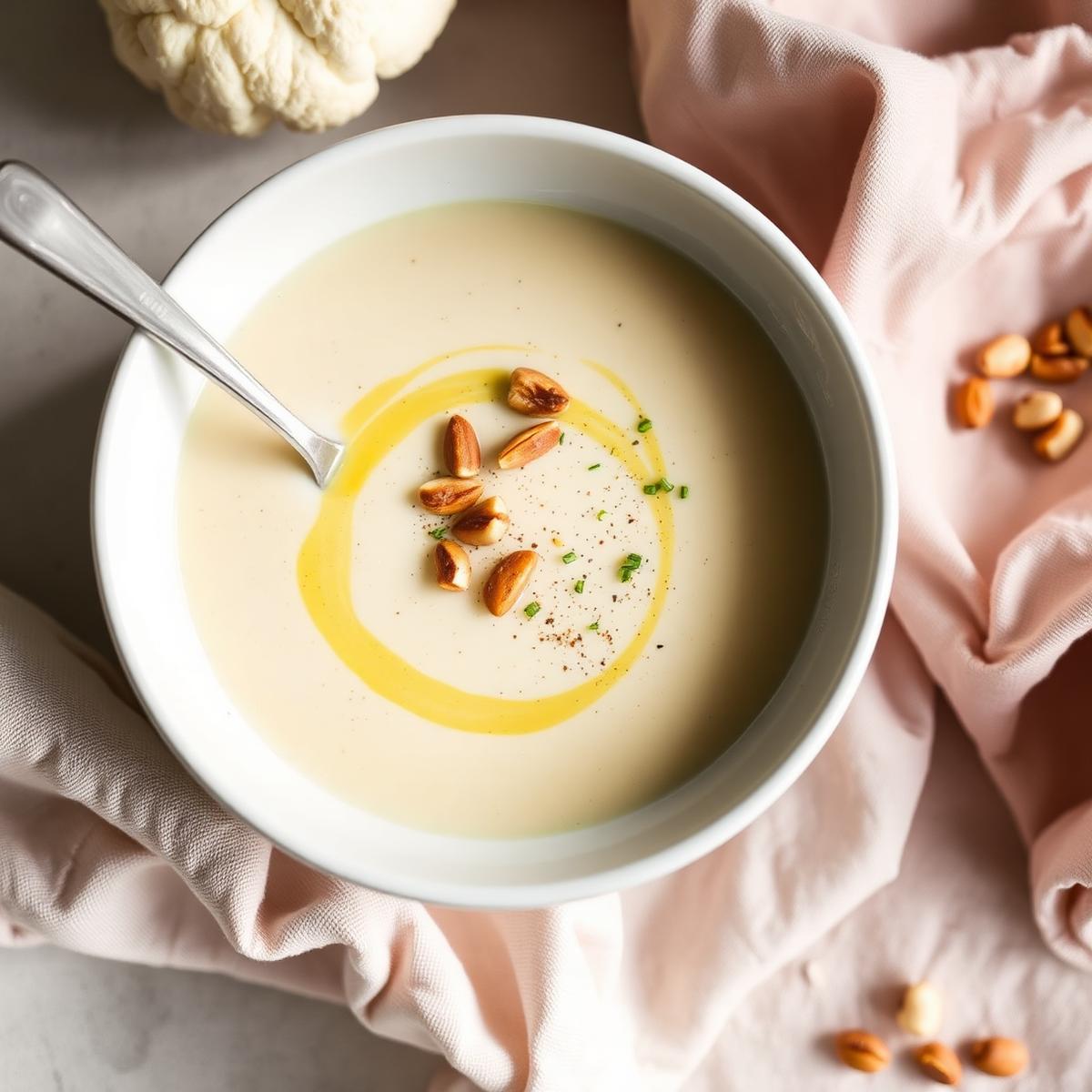
Velvety Roasted Cauliflower Soup
Deeply savory, silky, and finished with a swirl of golden chive oil. Roasting the cauliflower before blending unlocks caramelized sweetness you can't get from boiling.
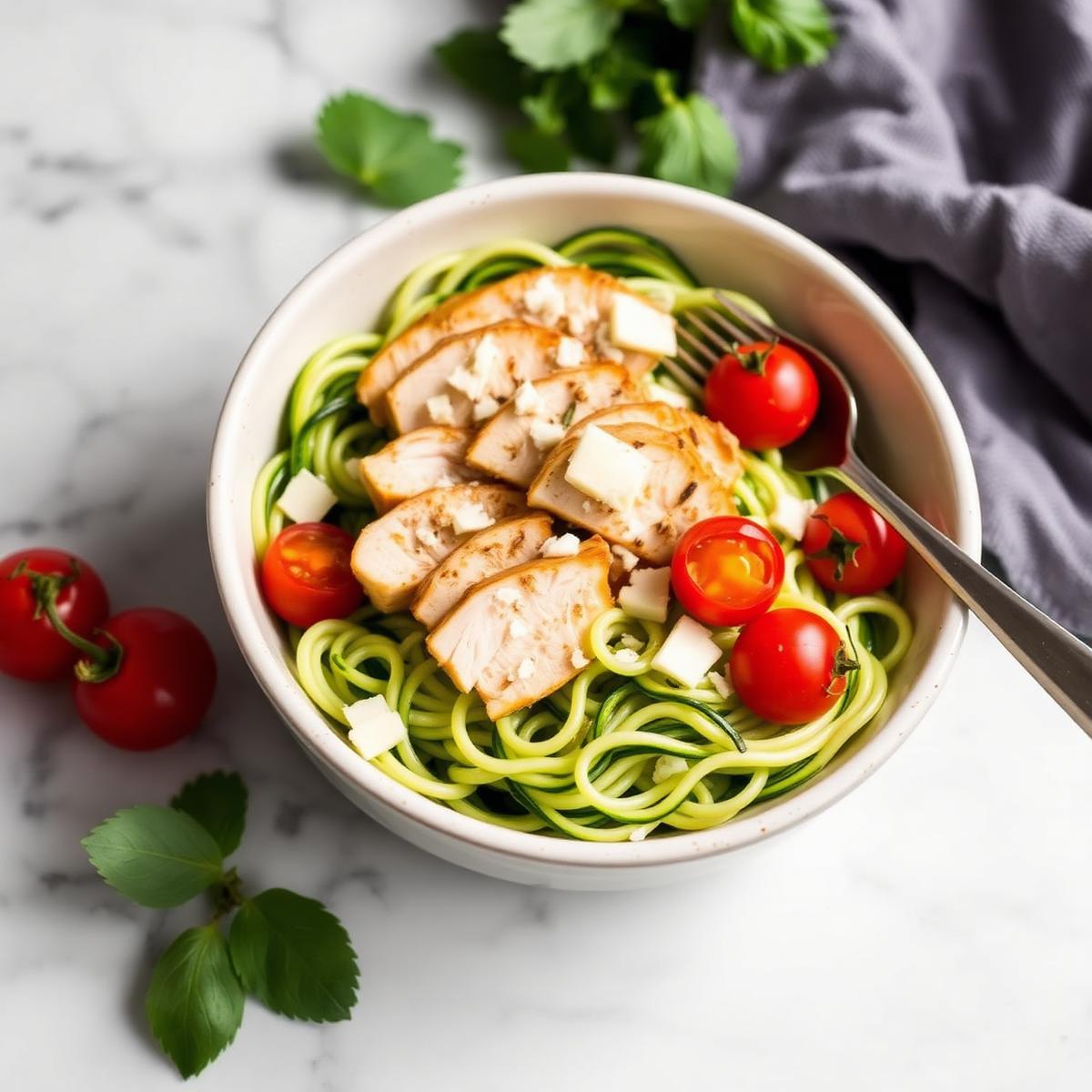
Pesto Chicken Zoodle Bowl
A vibrant 20-minute lunch bowl that trades pasta for spiralized zucchini and piles on fresh basil pesto, juicy grilled chicken, and blistered cherry tomatoes.