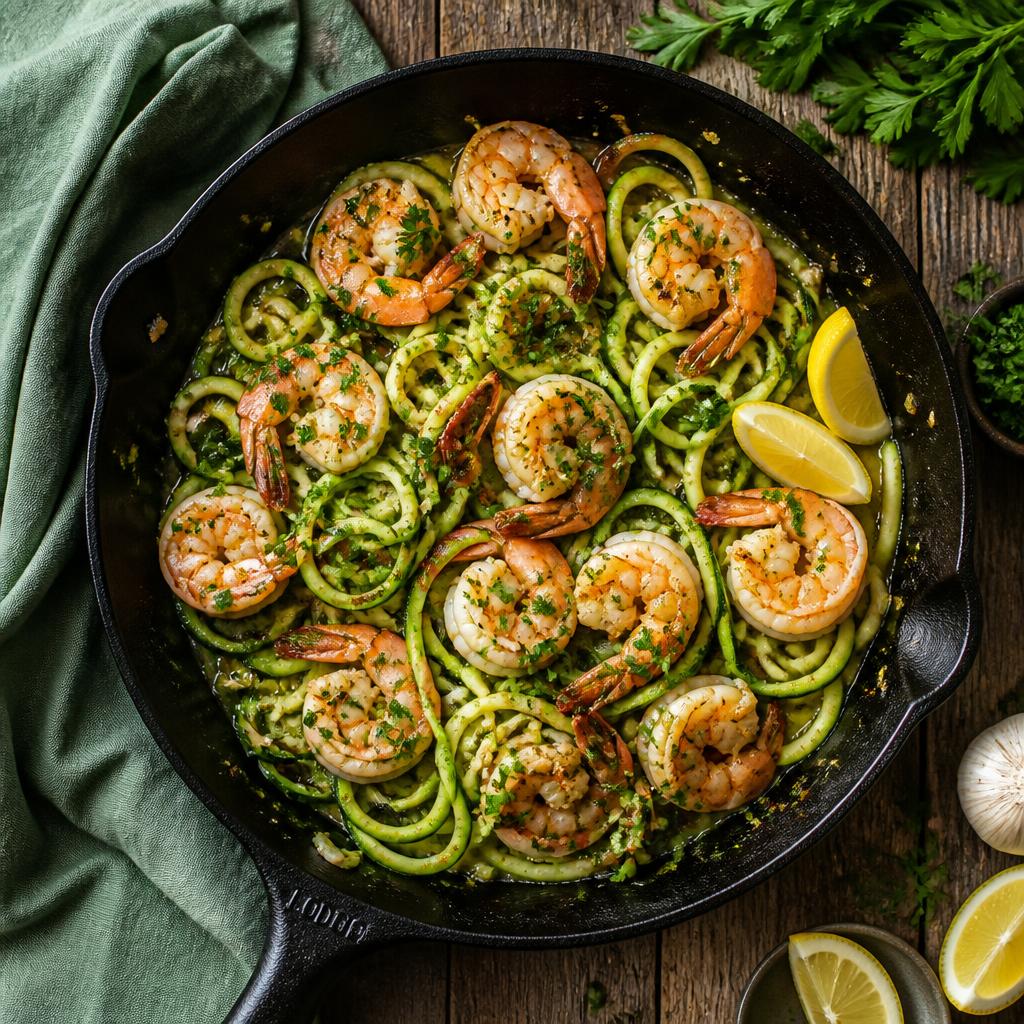
15-Minute Garlic Butter Shrimp with Zucchini Noodles
The single fastest keto dinner in our test kitchen rotation: plump wild shrimp seared in browned garlic butter, tossed with lemon-kissed zucchini noodles, and on the table in fifteen minutes flat. One pan, five real ingredients, 4 g net carbs per plate — and it tastes like the kind of restaurant scampi you'd pay $28 for.
By Keto Kitchen Hub Editorial · Published July 21, 2026
- Prep
- 5 min
- Cook
- 10 min
- Total
- 15 min
- Servings
- 3
- Net Carbs
- 4 g
Instructions
- 1
Spread the spiralized zucchini on a clean kitchen towel, sprinkle with ½ tsp salt, and let sit while you cook the shrimp. This 10-minute salt draw pulls out the water that would otherwise turn your skillet into a puddle.
- 2
Pat the shrimp completely dry with paper towel — wet shrimp steam instead of sear. Season lightly with salt and pepper.
- 3
Heat 2 tbsp butter and all the olive oil in a large skillet over medium-high until the butter foams and just starts to smell nutty.
- 4
Add the shrimp in a single layer with space between each. Sear undisturbed for 90 seconds, flip once, and cook another 60–90 seconds until the tails curl into a loose C and the flesh turns opaque. Overcooked shrimp curl into tight O's — pull them at C.
- 5
Transfer shrimp to a plate. Reduce heat to medium, add the remaining 2 tbsp butter, sliced garlic, and red pepper flakes. Cook 60 seconds until the garlic is fragrant and pale gold — not brown, which turns bitter fast.
- 6
Squeeze the zucchini in the towel to release any residual water, then add to the skillet. Toss for 90 seconds only — zoodles should stay al dente with a slight bite. Any longer and they surrender to mush.
- 7
Return the shrimp to the pan, squeeze in the lemon juice, and toss to coat everything in the pan sauce. Off heat, shower with parsley and optional Parmesan. Serve immediately with lemon wedges.
Nutrition (per serving)
- Calories
- 355
- Fat
- 24 g
- Protein
- 28 g
- Total Carbs
- 7 g
- Fiber
- 3 g
- Net Carbs
- 4 g
Values are estimates calculated from typical ingredient databases. See our disclaimer.
Storage
Best eaten immediately — zoodles weep the longer they sit. If you must store, drain any pooled liquid and refrigerate up to 24 hours in an airtight container. Reheat in a hot dry skillet for 90 seconds; never microwave, which will steam the zucchini into mush and rubberize the shrimp.
Expert tips
- Buy shrimp already peeled and deveined to shave 5 minutes off prep — the small premium is worth it on a weeknight.
- Frozen shrimp work perfectly. Thaw in a colander under cool running water for 5 minutes, then pat very dry.
- If you don't own a spiralizer, most grocery stores now stock pre-spiralized zucchini in the produce section. A julienne peeler is a $8 backup.
- Do not skip the salt draw. Zucchini is 95% water, and any water left in the noodles will dilute the garlic butter into a broth.
- Cook the shrimp and zoodles in strict sequence — never together. Their cook times are completely different, and combining them guarantees one gets ruined.
Frequently asked questions
+How is this only 4 g net carbs?
Almost all the carbs come from the zucchini itself, which contains roughly 3 g net carbs per medium squash. The garlic, lemon juice, and butter contribute less than 1 g combined. Nothing else on the plate has a meaningful carb load.
+Can I use pre-cooked shrimp?
You can, but the dish suffers. Pre-cooked shrimp turn rubbery when reheated in a hot pan. If it's what you have, add them at the very end with the lemon juice — just 30 seconds to warm through.
+What's the best zoodle alternative?
Spiralized yellow squash works identically. Shirataki noodles (drained and dry-toasted first) are a lower-carb option at under 1 g net carbs per serving. Palmini hearts-of-palm noodles are another 2 g net carb swap.
+Is this dairy-free adaptable?
Yes — swap all butter for good extra virgin olive oil or ghee. You'll lose some of the nutty depth, but the dish stays under 5 g net carbs and remains fully keto.
+Can I add cream to make it saucier?
Absolutely. Splash in 3 tbsp heavy cream with the second butter addition and let it reduce for 60 seconds before the zoodles go in. Adds about 2 g net carbs and 90 calories per serving, and turns it into a keto shrimp scampi Alfredo hybrid.
+What sides pair with this?
It's a complete meal on its own. If you want more, a simple arugula salad with olive oil, or roasted asparagus alongside the same pan while the shrimp rest, rounds it out without adding meaningful carbs.
Everything you need to know
In-depth guide · reviewed by our editorial team · approx. 15 min read
Why This Is the Fastest Real Keto Dinner in Our Rotation
There is a specific kind of Wednesday night that separates the keto veterans from the drop-outs. You get home at 6:47 p.m., the fridge is a graveyard of half-used vegetables, you have not planned dinner, and the drive-thru — with its bunless burgers and iceberg-lettuce salads — is calling. This is the exact moment when most people quit ketogenic eating. Not from lack of willpower, but from lack of a recipe that actually respects how tired they are. Fifteen minutes is not a nice-to-have here; it is the entire difference between staying in ketosis and blowing your macros on convenience carbs.
This garlic butter shrimp with zoodles was engineered — and 'engineered' is the right word — to solve that Wednesday-night problem. It uses one pan, five real ingredients, and a technique so simple that a person who has never cooked seafood can execute it on the first try. It comes in at 4 g net carbs and 28 g of protein per plate, which means it fits inside every reasonable ketogenic macro window from strict therapeutic protocols to relaxed low-carb maintenance. And critically, it tastes better than the pre-made keto meals in your grocer's freezer, which is the honest bar we set for every recipe on this site.
The dish borrows its DNA from Italian shrimp scampi — garlic, butter, lemon, parsley — and swaps the linguine underneath for spiralized zucchini. That single substitution turns a 50 g carb dinner into a 4 g carb dinner without changing what you actually taste. Because zucchini is neutral in flavor and holds sauce beautifully once you handle its moisture correctly, it functions as a near-perfect pasta stand-in in almost any recipe built around a bright, garlicky pan sauce.
The Macros: How This Fits a Ketogenic Day
Per plated serving, this recipe delivers approximately 355 calories, 24 grams of fat, 28 grams of protein, 7 grams of total carbohydrate, 3 grams of fiber, and 4 grams of net carbohydrate. If you are running a standard ketogenic ratio of 70% fat, 25% protein, and 5% carbs, those numbers land at 61% of calories from fat, 32% from protein, and 5% from net carbs — squarely inside the ketogenic band.
The 28 grams of protein per serving deserves special attention. Recent evidence from the International Society of Sports Nutrition suggests that adults benefit from at least 20–30 grams of high-quality protein per meal to fully activate muscle protein synthesis, and shrimp is one of the most bioavailable, complete-protein sources on the planet. For anyone worried that low-carb eating erodes lean mass, a dinner like this is exactly what protects it.
The 4 grams of net carbs come almost entirely from the zucchini itself. Garlic contributes less than 1 g, lemon juice is negligible, and butter is zero-carb. That leaves you with roughly 16 g of your daily 20 g net-carb budget still available for a piece of dark chocolate, a small salad, or a splash of cream in your morning coffee. In practical terms, this is one of the lowest-carb dinners you can eat that still feels like a proper cooked meal.
Calorie density here is deliberately moderate. At 355 calories per plate, it is not a fat-loaded 'fat bomb' dinner — it's a lean, protein-forward plate that pairs well with a side of avocado, a scoop of homemade Caesar dressing, or a second pat of butter melted at the table if you need to hit higher fat targets. This flexibility makes it useful across the full spectrum of ketogenic goals, from fat loss to lean-mass maintenance to therapeutic ketosis.
Ingredient Deep-Dive: Why Each One Earns Its Place
Shrimp is the workhorse, and size matters more than most cooks realize. We specified 21–25 count per pound (industry shorthand for 'large') because that size sears in exactly 90 seconds per side — the sweet spot where the exterior browns before the interior overcooks. Smaller shrimp (36–40 count) cook in 45 seconds and are unforgiving; larger jumbo shrimp (16–20 count) need 2–3 minutes per side and often turn rubbery before their centers cook through. Choose the middle path and life gets easier.
Wild-caught vs. farmed shrimp is worth a short digression. Wild Gulf shrimp and wild American cold-water shrimp have cleaner flavor and are typically fed a natural diet. Farmed shrimp — especially imported varieties from Southeast Asia — are often treated with antibiotics and raised in high-density pens. From a keto perspective, both are zero-carb and macros are essentially identical, but wild shrimp is worth the modest premium for flavor and sustainability if your grocery stocks it. Look for 'Wild American' or 'Gulf' on the packaging.
Grass-fed butter is not just marketing. Butter from pastured cows contains meaningfully more conjugated linoleic acid (CLA) and vitamin K2 than conventional butter, and a slightly higher smoke point that survives the medium-high sear this recipe needs. Kerrygold is the most common brand in US supermarkets; store brands from Costco and Whole Foods now carry equivalent options. If grass-fed is out of budget, standard European-style butter (higher fat content, lower water content) is the next-best choice; American-style butter with more water spatters more and can burn faster.
Garlic — the sliced kind, not the minced kind — is intentional. Sliced garlic browns evenly over 60 seconds and infuses the butter with a rounder, sweeter flavor. Minced garlic scorches almost instantly and turns bitter, which is the number-one reason home-cooked scampi tastes 'off.' If you must use pre-minced garlic from a jar, add it in the last 20 seconds instead of the first 60. Fresh cloves, sliced thin with a paring knife, cost 15 seconds of prep and deliver 100% of the payoff.
Zucchini — the whole reason this dish is keto — deserves the most careful sourcing. Medium zucchini (roughly 7 inches long, 1.5 inches thick) have the best moisture-to-flesh ratio for spiralizing. The oversized 'baseball bat' zucchini common in late summer farmers' markets are more watery and seedier; save those for zucchini bread. If you are new to spiralizing, the OXO handheld spiralizer costs about $15 and produces perfect angel-hair-style zoodles in under 90 seconds per squash. Pre-spiralized zoodles from the produce section work too, but their shelf life is short — buy the day you cook.
Lemon has to be fresh. Bottled lemon juice contains preservatives that mute the brightness this dish needs, and the small amount of natural sugar in fresh lemon (roughly 1 g per tablespoon) is what caramelizes into the pan sauce and gives it depth. A single lemon is enough for the recipe and the garnish wedges.
The optional Parmigiano-Reggiano finish is a small addition with an outsized effect. Two tablespoons of finely grated 24-month aged Parm adds roughly 22 calories, 1.5 g of fat, 2 g of protein, and negligible carbs to the whole recipe, while contributing the salty, savory finish that turns 'good weeknight dinner' into 'restaurant-quality.' Pre-shredded Parm from a plastic bag is not the same thing; grate it yourself from a wedge.
The Technique: Speed Through Sequence, Not Shortcuts
The single biggest mistake home cooks make with this dish is trying to cook the shrimp and zoodles at the same time in the same pan. It seems efficient — one pan, one operation — but the two ingredients have completely different needs. Shrimp needs high heat and dry contact; zucchini needs medium heat and just barely enough time. Combining them guarantees soggy shrimp and mushy noodles.
The correct sequence is strict and non-negotiable. First, salt and rest the zoodles on a towel — this is the ten-minute window during which zucchini's cell walls release their internal water. Skip this step and everything downstream fails. Second, sear the shrimp in a hot pan, remove them, and set aside. Third, build the garlic butter in the residual fond. Fourth, add the drained zoodles and toss just to warm through. Fifth, return the shrimp and finish. Total active pan time: 8 minutes. Total elapsed time: 15 minutes including the salt draw.
Heat management is the second differentiator. The shrimp go in over medium-high heat because that surface temperature (roughly 375–400°F) is where Maillard browning happens — the same non-enzymatic reaction that browns steak crusts and coffee beans. Dropping the heat to medium before the garlic goes in is equally important: garlic scorches at temperatures above 320°F, and burned garlic is bitter in a way that no amount of butter can rescue.
The 'toss and pull' rule for zoodles is worth memorizing. Zucchini noodles are done when they are visibly glossy from butter and still have a slight bite when pinched between fingertips. If they look limp and translucent, you are 30 seconds past the ideal moment. This is why the recipe specifies 90 seconds — not 2 minutes, not 'until tender,' but 90 seconds. Zucchini gives no warning before it collapses; the clock is your only reliable guide.
Dry shrimp are seared shrimp. Wet shrimp are steamed shrimp. Paper-toweling the shrimp before they hit the pan is the difference between a proper crust and a pale, flabby exterior. Take the extra 20 seconds. If you're cooking straight from a frozen bag, thaw the shrimp in a colander under cool running water for 5 minutes, then spread them on a triple layer of paper towel and press firmly. The visual test: shrimp should look matte, not glossy, before they go in the pan.
Common Mistakes and How to Fix Them
The soup problem. You cooked everything perfectly, but the finished dish is swimming in liquid. This is always the zoodles — either you skipped the salt draw, didn't squeeze them dry after resting, or cooked them too long. Fix: next time, salt for the full 10 minutes and press the drained zucchini firmly in a clean towel before it hits the pan. If it's already happened, drain the plated dish over the sink with a slotted spoon and finish with an extra squeeze of lemon to compensate for the flavor loss.
The rubber shrimp problem. Your shrimp curled into tight, hard O-shapes and taste like erasers. This is textbook overcooking. Shrimp go from raw to perfectly done to overcooked in about 30 seconds, and the visual cue is the shape of the curl. A loose C-shape means perfectly cooked; a tight O-shape means you're 60 seconds late. Fix: pull the shrimp the moment they turn opaque and let carry-over heat finish the interior on the plate.
The burnt garlic problem. Your garlic butter tastes acrid and bitter, and the sauce has visible dark specks. This is heat management — you added garlic to a pan that was still on high heat. Fix: after searing the shrimp, actively reduce the burner to medium and let the pan sit for 15 seconds before the garlic goes in. The pan cools quickly, and 15 seconds is enough to save the entire dish.
The pale, flabby shrimp problem. Your shrimp look boiled instead of seared, with no color or crust. This is almost always moisture — either the shrimp weren't dried, the pan wasn't hot enough, or you crowded the pan. Fix: work in batches if your skillet is smaller than 12 inches. Two batches of shrimp with 30 seconds between them will produce a better sear than one crowded batch.
The bland sauce problem. Everything looks right but the flavor is flat. Almost always undersalt. Shrimp release very little sodium during cooking, and the butter provides none. Season the shrimp before they go in the pan, salt the pan sauce lightly after the garlic, and taste before serving. Cracked black pepper added at the very end (not the beginning, when it can burn) provides the aromatic lift.
Variations Worth Building Into Your Rotation
The scampi Alfredo hybrid. Add 3 tbsp heavy cream to the pan with the second addition of butter and let it reduce for 60 seconds before the zoodles go in. Finish with 2 tbsp Parm off the heat. The result is a creamier sauce that clings to the noodles more aggressively — closer in spirit to Alfredo than scampi. Adds about 2 g net carbs and 90 calories per serving.
The bacon-and-shrimp version. Render 4 slices of chopped bacon in the pan first, remove and drain, then cook the shrimp in the rendered fat instead of butter. Crumble the bacon back in at the end with the parsley. Turns the dish into something closer to a keto shrimp and 'grits' without the corn. Adds roughly 6 g of protein and 8 g of fat per serving; carbs stay the same.
The Cajun version. Swap the black pepper for 1 tsp Cajun or Creole seasoning (McCormick, Slap Ya Mama, or Tony Chachere's — all keto-friendly at less than 1 g net carbs per teaspoon) and add ¼ tsp smoked paprika. Finish with an extra squeeze of lemon and a splash of hot sauce. Turns a mild dish into something bold and Louisiana-inflected, without adding meaningful carbs.
The Mediterranean version. Add 12 halved cherry tomatoes and 2 tbsp capers with the zoodles, and finish with crumbled feta instead of Parmesan. Adds roughly 3 g net carbs per serving from the tomatoes but pushes the flavor profile toward Greek shrimp saganaki. Excellent with a side of Greek olives and a small glass of dry white wine (if you're not strictly avoiding alcohol on keto).
The scampi 'pasta' with palmini or shirataki. If you want zero-carb noodles, swap the zucchini for a jar of Palmini hearts-of-palm noodles (rinsed and soaked in milk for 30 minutes to remove briny flavor) or a package of shirataki noodles (drained, rinsed, and dry-toasted in a hot pan for 5 minutes to eliminate the aquatic smell). Both take you from 4 g net carbs down to 1–2 g net carbs, at the cost of texture — palmini has more bite than zucchini; shirataki is bouncy and firm.
Meal Planning: How This Fits a Whole Keto Week
The 15-minute nature of this recipe makes it the perfect Tuesday-Wednesday-Thursday anchor in a ketogenic meal plan. On our recommended weekly rhythm, Sunday and Monday are for meal-prepped batch cooking (see our sheet-pan chicken meal prep for a template), and midweek is for fast, single-skillet dinners that require no planning. This shrimp dish fits that midweek role better than almost anything else in our archive.
Pair it with a 5-minute morning like scrambled eggs and avocado (about 4 g net carbs), a portable lunch like a chicken Caesar salad in a jar (about 5 g net carbs), and you have a full ketogenic day at roughly 13 g net carbs total — well inside a therapeutic keto protocol and with generous room for a square of 85% dark chocolate or a splash of cream in coffee.
For families, this recipe doubles cleanly. A 12-inch skillet handles 2 lbs of shrimp and 6 zucchini in the same time as the single-batch version, provided you sear the shrimp in two rounds and combine at the end. Kids who resist zucchini noodles will often eat this dish because the sauce coats the zoodles thoroughly and the shrimp are the visual focus. Serve their portions with a side of buttered green beans if you want additional volume.
For batch prep, this dish resists the fridge. The shrimp reheat acceptably but the zoodles collapse into water within 12 hours. If you must meal-prep it, cook the shrimp and garlic butter in advance and store separately; spiralize and salt-draw fresh zucchini day-of, then combine everything in a hot skillet for 90 seconds. It's the difference between a Tuesday lunch that feels restaurant-quality and one that feels like sad reheated seafood.
Frequently Asked Questions
Is shrimp actually keto-friendly? Yes — completely. Shrimp is naturally zero-carb, high in protein, and rich in selenium, iodine, and vitamin B12. It contains dietary cholesterol, but current research (including the 2020 American Heart Association scientific advisory) no longer links dietary cholesterol from whole foods to serum cholesterol or cardiovascular risk in most people. Shrimp is one of the most nutrient-dense proteins available on a ketogenic diet.
Can I use pre-cooked shrimp to save even more time? You can, but the flavor and texture suffer. Pre-cooked shrimp added to a hot pan turn rubbery and shed water into the sauce. If it's what you have, add pre-cooked shrimp at the very end — off heat — and toss just long enough to warm them through, about 30 seconds. Reduce the garlic-butter step by 60 seconds so the pan is not too aggressive when the shrimp arrive.
What if I don't own a spiralizer? A julienne peeler (about $8) produces flat zucchini ribbons that work identically. A regular vegetable peeler produces wide zucchini 'pappardelle' — different shape, same result. Or simply chop the zucchini into small dice — you'll lose the pasta illusion but keep every gram of flavor and macros. In a pinch, most grocery stores now sell pre-spiralized zucchini in the produce section.
Can I use frozen shrimp straight from the bag? Never — frozen shrimp in a hot pan release too much water and steam instead of sear. Thaw them in a colander under cool running water for 5 minutes, then dry thoroughly with paper towel. Total added time: 6 minutes. Worth it.
Is there enough fat in this dish for strict keto? At 24 g of fat per serving (61% of calories from fat), yes — but it's on the leaner end of ketogenic dinners. If you're targeting higher fat ratios (75% or above), finish each plate with an extra pat of butter, a drizzle of olive oil, or half an avocado on the side. Any of these push the fat percentage above 70% without changing the flavor profile.
How does this compare to a takeout shrimp scampi over pasta? A restaurant scampi over linguine typically runs 900+ calories and 65–75 g of net carbs — enough to blow a full day of ketogenic eating in one meal. This version delivers the same flavor at 355 calories and 4 g net carbs, a roughly 94% reduction in carbs and 60% reduction in calories.
References
Shellfish nutrition and bioavailability data from the USDA FoodData Central database (updated 2024). Muscle protein synthesis and per-meal protein threshold research from the International Society of Sports Nutrition position stand on protein intake (Journal of the International Society of Sports Nutrition, 2018). Dietary cholesterol guidance from the American Heart Association scientific advisory on dietary cholesterol and cardiovascular risk (Circulation, 2020). Maillard reaction temperature ranges from Harold McGee, On Food and Cooking (2nd ed, 2004).
This is general nutrition information, not medical advice. Consult your healthcare provider before starting a ketogenic diet, especially if you are pregnant, breastfeeding, taking blood-sugar or blood-pressure medication, managing kidney disease, or have a shellfish allergy.
Related recipes
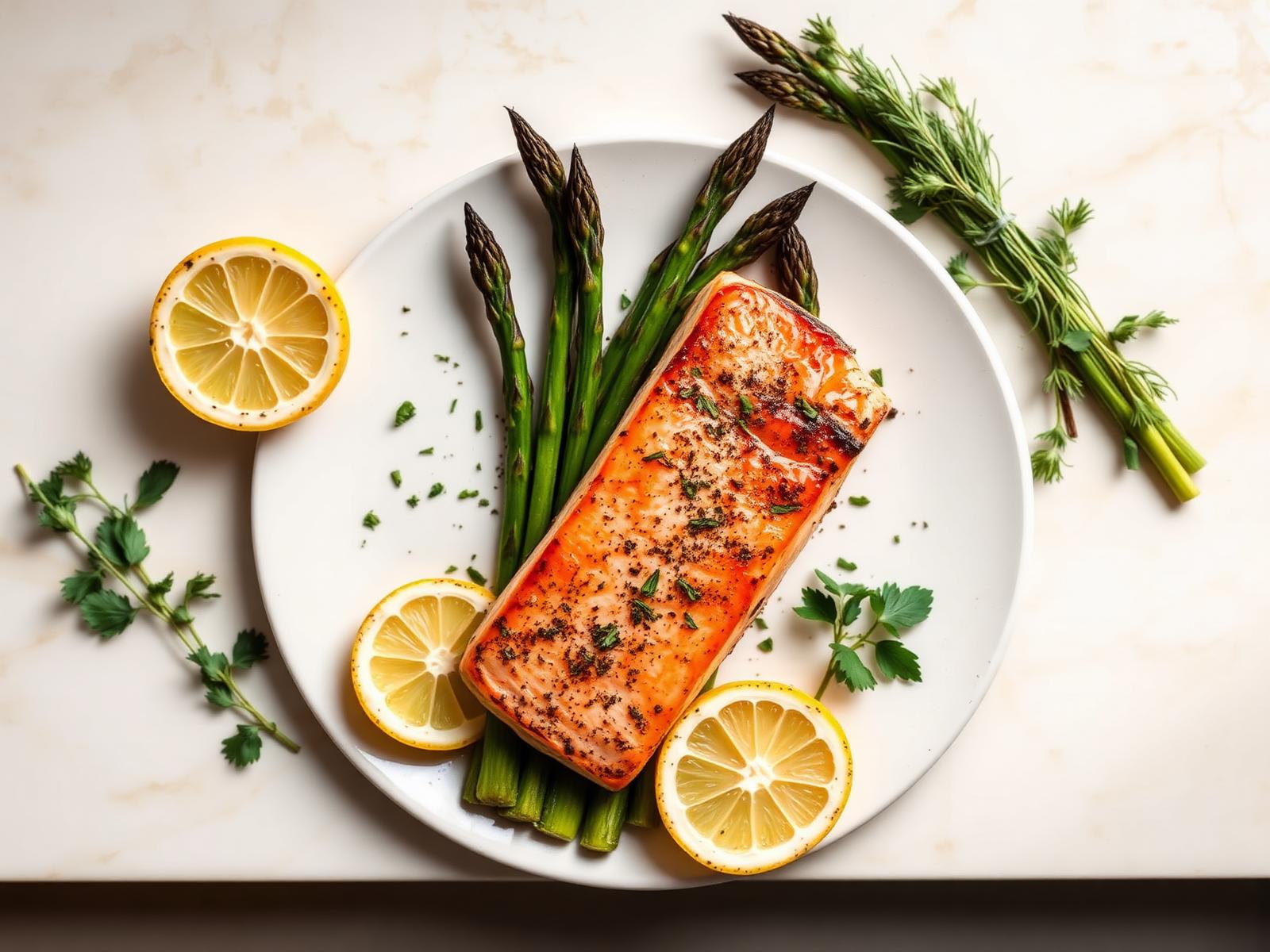
Pan-Seared Salmon with Lemon Asparagus
A restaurant-quality keto dinner that comes together in a single skillet in under 25 minutes. Crispy-skinned wild salmon, bright lemon, and tender roasted asparagus deliver a full plate of protein and heart-healthy fats with just 4 g net carbs.
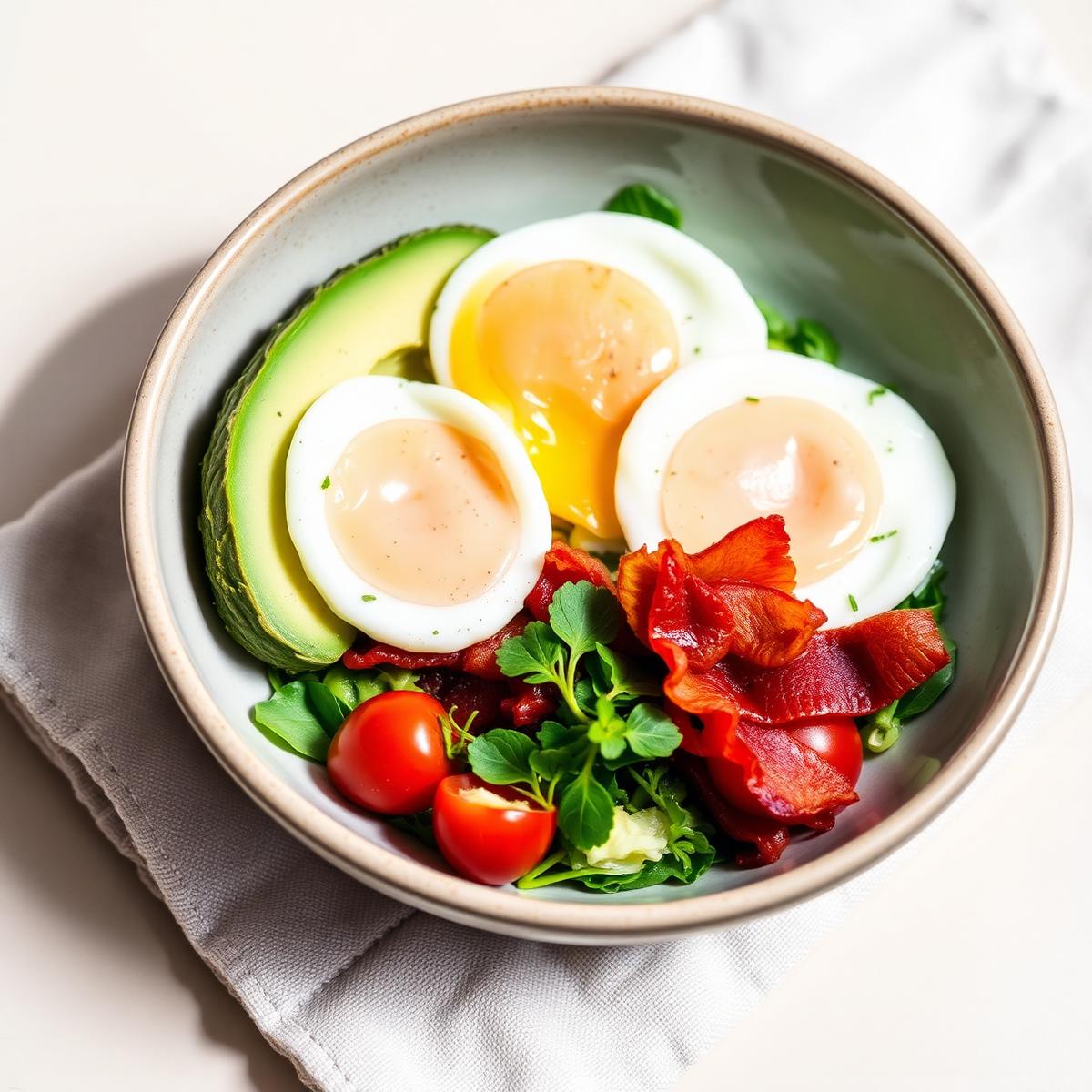
Avocado Breakfast Bowl with Soft-Boiled Eggs
A vibrant morning bowl that combines creamy avocado, jammy soft-boiled eggs, and crisp bacon for a keto breakfast that keeps you full for hours. Perfect for busy weekdays — most of it can be prepped ahead.
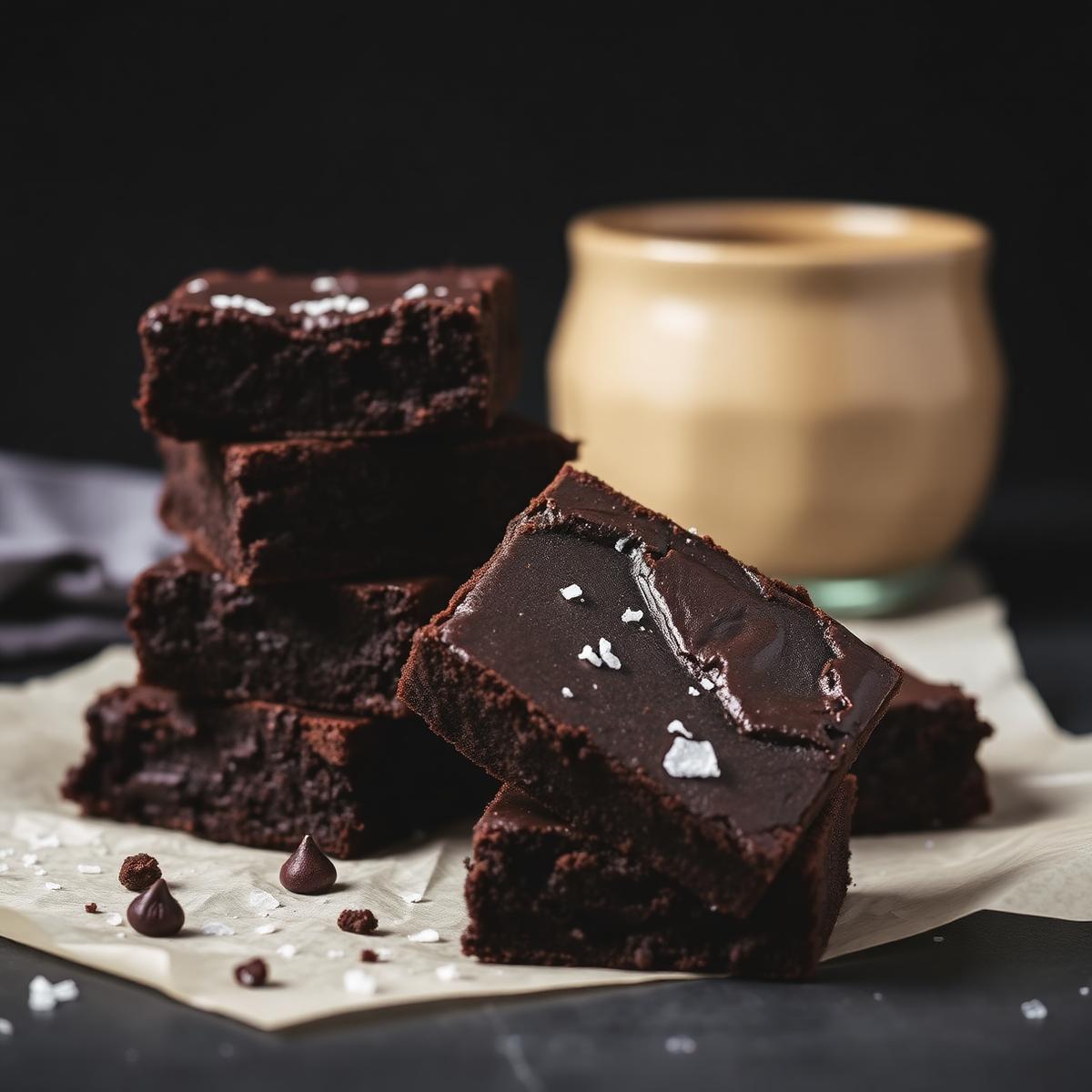
Fudgy Almond-Flour Chocolate Brownies
The keto brownie recipe our test kitchen makes on repeat. Rich, fudgy, and deeply chocolatey — with a shiny crackly top and only 2 g net carbs per square. No one will guess they're sugar-free and grain-free.