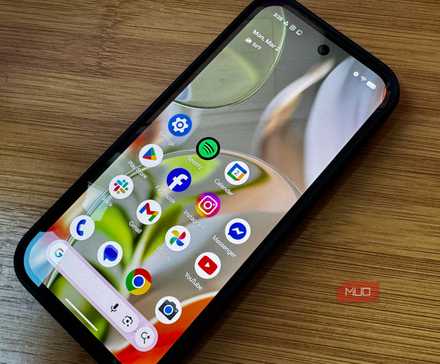
Google’s March 2026 Pixel Drop is one of the better ones in a while, and it includes a flashlight trick that iPhone users have had for years.
QPR3 was released on March 3, adding security features and five more quality-of-life features that Pixel users have been waiting for. There’s adjustable flashlight brightness, At A Glance widget removal, a transparent Adaptive Connectivity system, a new location indicator for your apps, and some AI-generated graphics packs (if you’re into that sort of thing). Here’s what each one does and where you can find it on your Pixel.
Google has just released a major Android update – here are some cool new features to check out
And more cool stuff coming in March’s Pixel Drop
Adjust your flashlight brightness
It doesn’t always have to be the brightest

Before this update, adjusting your flashlight’s brightness was a matter of sideloading the APK or relying on workarounds. QPR3 finally make it natural. I know with my iPhone, it’s been a breeze whenever I need a light but don’t want to pry my partner’s eyes out of our bedroom in the morning.
How to use it: Pull up your Quick Settings panel and turn on your flashlight (or flashlight, for you Brits). What you do next will depend on the size of the tile on your phone. If it’s a 1×1 tile, long press the flashlight button to open the Flashlight Power slider. If it’s a 2×1 tile, tap the right side of the tile to open the slide. Then drag the slider up to increase the brightness of your flashlight, and drag down to decrease it. Swipe down to turn off your flashlight. Tap anywhere outside the slider to remove it and keep the flashlight in the position you left it in.
Remove At A Glance from the home screen
Find your screen space again

Another feature that sets Pixel users apart is the At a Glance widget. Some people love it at the top of their screen, some hate it there. The new QPR3 update gives you a way to remove it from the home screen without turning off the widget entirely. If you keep it active, it will still appear on your lock screen and always-on screen. It won’t be taking up valuable real estate on the home screen.
How to use it: Long press an empty area on the home screen and select Home settings, then tap the gear icon next to At A Glance. Just turn off Show on the home screen.
This is different from the main “Use At A Glance” item to change settings. The widget is always active on your lock screen and display if you select this option.
Get better control over Adaptive Connectivity
Two toggles for the price of one
This has existed on earlier Pixel phones as a single toggle that claims to improve battery life by controlling network switching. This old switch alone can cause problems like disconnecting you from Wi-Fi or turning off your 5G at random times. QPR3 splits the switch into two separate settings so you can finally understand and decide what you’re turning on or off.
How to use it: Go to Settings > Network & Internet > Adapter Connection. You will now see two separate toggles instead of one. Both should be set to ON by default. You can change each one independently now, which is useful if you want Wi-Fi that is independent of data handoffs but not the reverse, or vice versa.

- SoC
-
Google Tensor G4
- Show
-
6.3-inch Actua poOLED display, 1080 x 2424 resolution, 60-120Hz, 3000 nits peak brightness
- RAM
-
8GB
- Security
-
128GB, 256GB
- Battery
-
5,100 mAh
- Port
-
USB-C
The Google Pixel 10a is a budget-oriented smartphone with a flat back and long battery life. It’s powered by the same Tensor G4 chip as its predecessor, and most of the key specs are the same as the Pixel 9a. However, you get a brighter screen, a better modem, new software features, and Android 16 with seven years of software support.
Check when apps come into your area
Don’t let anyone sneak in again

You’ve probably seen the camera and microphone access dots in the status bar, as they’ve been since Android 12. Location has been the catch, and not all apps that use your location really need it. The latest update brings Location services and two more by adding an indicator when the device you’re using is also using your location data.
How to use it: This happens automatically, but if the app uses your Location data, a blue dot will appear in the upper right corner of your address bar. If you open Quick Settings, the dot expands into a blue pill with a space icon inside. Tap the pill to see which app is using your location, and click the arrow next to that app’s name for quick shortcuts to close the app or manage its location permissions.
Display the image pack
If you’re into it, I’m sure
In yet another “add AI where most people don’t want it”, Google has added a generation of AI icons to the Pixel Launcher. There are five varieties so far: black and white Scribbles, rainbow-themed Cookies, green-colored Easel, gold-colored Treasure, and space-type Stardust.
How to use it: Long press an empty space on the home screen, then select Wallpaper & styleswipe up to Picturesthen tap Create. You will then be able to select the type of style or color (if available) and tap Download. The next generation will happen; you don’t need to stick around as it crunches the numbers. Once done, tap Download to use. Your package lives under the preview screen (along with Default and Minimal) and will appear in new apps you install later.
AI icons only work on home screen icons, not the app drawer. Also, when Google calls this AI-powered, it still feels like you’re downloading an image pack and using it. Not too much of a setup from there.
Banish the Madness
If you’re not sure you have the latest QPR3 update for your Pixel, go to Settings > System > Software updates and check manually. Most features go live immediately after you upgrade, although server-side features such as At A Glance features may take longer to appear.
#Pixel #couldnt #month